Casement Windows: Pros, Cons, and Installation Tips
Is your home feeling a little stuffy? Or maybe you’re looking for windows that let in more fresh air without sacrificing security. Casement windows could be the answer. At Champion Windows, we’ve helped hundreds of homeowners with window solutions that look good and work even better.
Deciding on the right window style is more than just picking what looks nice. It’s about comfort, energy savings, and safety. Let’s take a clear-eyed look at casement windows—their benefits, challenges, and what you need to know before installation.
Casement Window Basics: How They Work and Where They Shine 🪟
Casement windows swing out like a door, hinged at the side. You crank them open with a handle, letting in breezes while keeping out rain. Think of them as the “open arms” of the window world—wide, welcoming, and eager to invite the outdoors in.
These windows are popular in kitchens and living rooms. Why? They offer uncluttered views and catch side breezes, making them perfect for spots where ventilation matters. You’ll also spot casements in modern builds and energy-efficient remodels.
The Nuts and Bolts: How Casement Windows Operate
Turn the handle. The window sash swings outward—sometimes up to 90 degrees. A multi-point locking system secures the window at several spots, boosting safety and sealing tight against drafts. The hardware is simple but effective, making operation smooth for years.
Advantages and Drawbacks: Weighing the Pros and Cons
Advantages
- Excellent Ventilation: Casement windows open wide, acting like a scoop for fresh air.
- Tight Seals: When closed, they press firmly against the frame, reducing drafts and saving energy.
- Unobstructed Views: No dividers in the middle, just clear glass.
- Security: Multi-point locks make forced entry tough.
- Easy to Operate: Especially good for hard-to-reach places like over the kitchen sink.
Drawbacks
- Space Needed Outside: The sash swings out, so avoid busy walkways or tight patios.
- Wind Vulnerability: In stormy weather, open casements can catch the wind like a sail.
- Hardware Wear: Cranks and hinges can wear out over time, especially with heavy use.
- Cleaning: It’s trickier to clean the exterior glass from inside, depending on the design.
Where Casement Windows Fit Best in Your Home
Casement windows suit many rooms, but shine brightest where airflow and light are priorities. Kitchens, bathrooms, and living spaces are top choices. Avoid placing them near shrubs or walkways where the sash might bump into obstacles.
Security and Safety: What Sets Casement Windows Apart
Casement windows naturally lock tight along their frame, making them more secure than many sliding models. The multi-point locks mean would-be intruders face a tough challenge. For extra peace of mind, pair your casement with professional Window Lock Installation.
Common Issues and How to Spot Trouble Early
Watch out for:
- Stiff Cranks: A sign the hardware needs lubrication or replacing.
- Loose Seals: Can lead to drafts and higher energy bills.
- Frame Rot: Especially in older wood windows, moisture finds its way in.
- Foggy Glass: Indicates a broken seal if your window is double-glazed.
If you notice these problems, prompt Window Frame Repair is key to preventing bigger headaches.
Installation Process: What Homeowners Should Expect
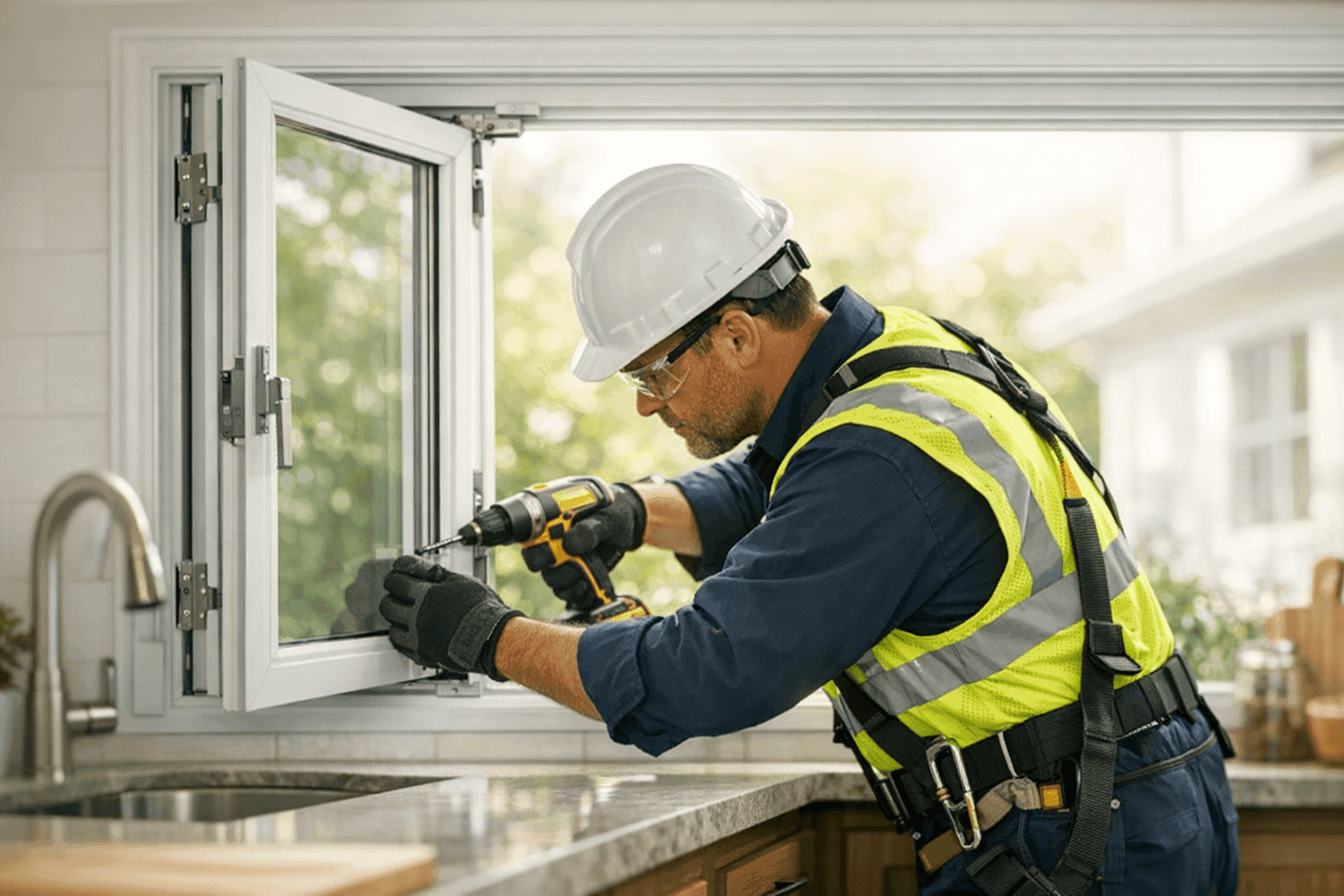
The right installation makes all the difference. Here’s what the process looks like with an experienced windows_contractor:
- Assessment: Measure your opening and inspect the existing frame.
- Prep Work: Remove old window, check for damage, and repair the frame if needed.
- Install New Window: Level, square, and fasten the casement window securely.
- Seal and Insulate: Use quality caulking and insulation for an airtight finish.
- Hardware and Locks: Attach cranks, hinges, and multi-point locks.
- Final Check: Test operation, ensure weatherstripping is snug, and clean up the area.
A professional installation meets local building codes and safety standards, such as those outlined by the International Residential Code (IRC).
DIY vs. Professional Installation: Should You Tackle It Yourself?
Casement windows might look simple, but installing them right takes skill. It’s a bit like baking bread from scratch—doable, but easy to mess up if you’re new. Alignment, weatherproofing, and hardware installation require precision. Most homeowners choose a windows_contractor for peace of mind and long-term value.
Timeline and What to Expect During Installation
Most casement window installations take a few hours per window. Larger or custom projects may take longer. Expect some noise and dust, but a good crew keeps disruption minimal. Clear furniture and decor near the work area beforehand.
Quick Safety Checklist for Your New Casement Windows
- Test all locks and cranks before the installer leaves.
- Make sure emergency exits aren’t blocked by window placement.
- Keep exterior paths clear so windows can open fully.
- Check that screens are secure to keep out bugs and debris.
Maintenance Tips: Keeping Casement Windows in Top Shape 🛠️
- Lubricate Hardware: Every six months, apply silicone spray to cranks and hinges.
- Check Seals: Inspect weatherstripping for gaps or damage every spring and fall.
- Clean Tracks: Dust and debris can jam cranks—wipe clean as needed.
- Inspect Frame: Look for cracks, rot, or peeling paint; touch up or call for repairs if needed.
Regular maintenance not only extends window life but also keeps energy bills in check.
Energy Efficiency: How Casement Windows Help You Save
Because casement windows seal tightly, they’re stars at keeping heat in during winter and out during summer. Look for Energy Star–rated glass for the best results. According to the U.S. Department of Energy, upgrading to efficient windows can reduce energy costs by up to 25%.
Casement Windows vs. Other Styles: Is It Right for You?
Compared to double-hung or sliding windows, casements offer better ventilation and tighter seals. But if you need a window that doesn’t project outward, consider alternatives. The best choice depends on your space, needs, and style.
Common Mistakes to Avoid
- Skipping frame repair before installation—leads to leaks and drafts.
- Using low-quality caulk or insulation.
- Forgetting to test the window fully before finishing the job.
Professional windows_contractor services help sidestep these pitfalls.
When to Call in the Pros
If your window is difficult to crank, won’t seal properly, or shows signs of rot, don’t wait. Prompt repairs protect your investment. For urgent needs, Champion Windows also offers emergency window services.
FAQ: Casement Window Questions Homeowners Ask
Can casement windows open inward?
Most are designed to open outward, but specialty products exist.
Are they good for security?
Yes. Multi-point locks and tight seals make them tough to break into.
How often should I maintain them?
Check hardware and seals at least twice a year.
Local Service—Where You Need It Most
Whether you’re planning a full remodel or tackling a single window, Champion Windows brings deep experience to every project. If you’re searching for a windows_contractor company in Bountiful, our team is ready to help you make the right choice for your home.
Ready for Better Windows? Let’s Talk
Casement windows can transform your home—more light, better air, and real peace of mind. For tailored advice, installation, or repair, Champion Windows is the windows_contractor you can count on.
Call Champion Windows now — or reach us anytime at 855-502-8869 .