Energy-Efficient Windows: Do They Really Save Money?
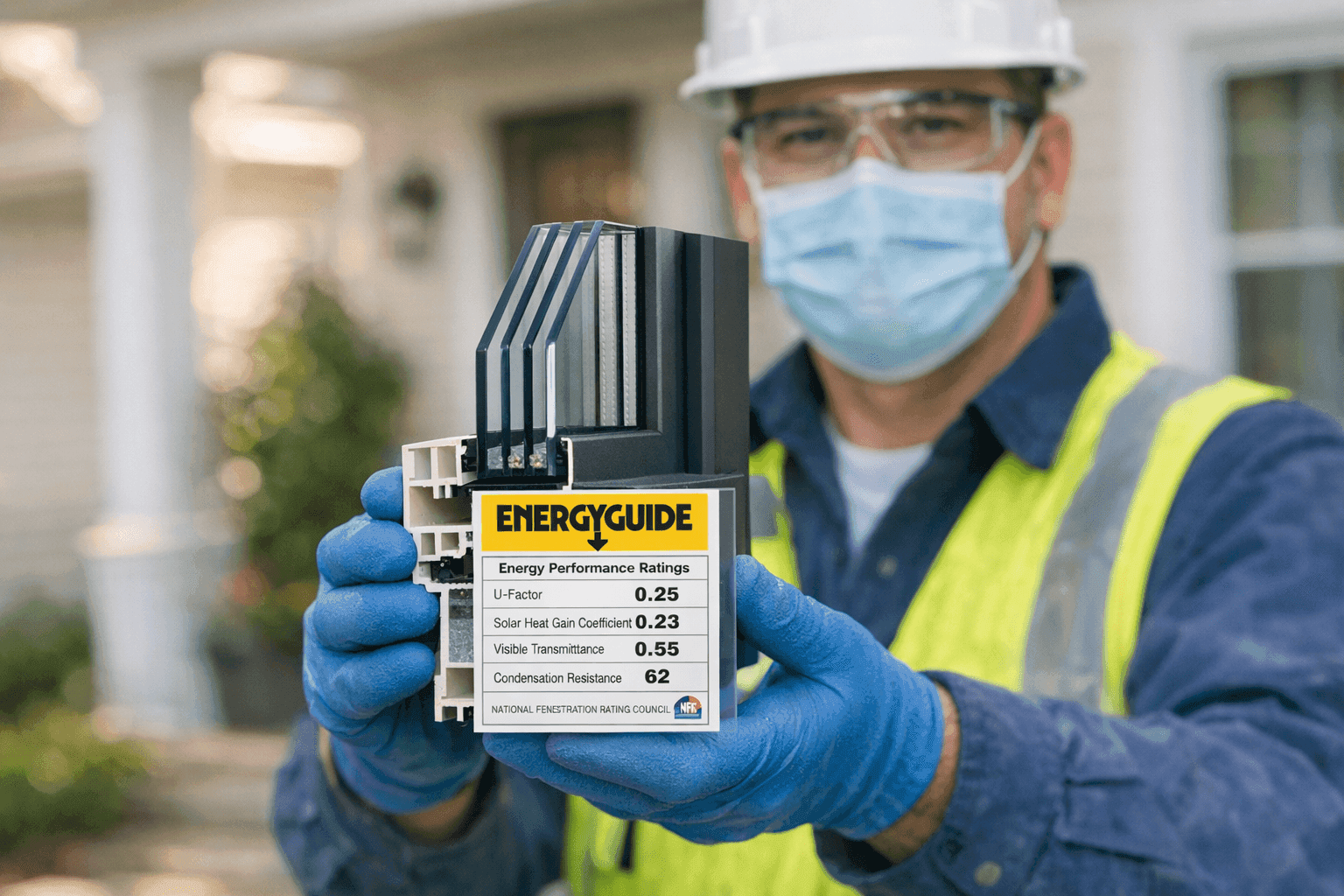
Are you tired of feeling a draft, watching your energy bills climb, and wondering if upgrading your windows is actually worth the investment? You’re not alone. At Champion Windows, we hear this question almost daily: Do energy-efficient windows really save money?
Let’s take a straightforward look at the facts, the numbers, and what you can truly expect—so you can make a smart decision for your home and budget.
What Makes Windows Energy Efficient? 🪟
Not all windows are created equal. Think of your home as a thermos: a good lid keeps your drink hot or cold. Energy-efficient windows are like that lid—keeping comfort in, and costly air leaks out.
What sets these windows apart?
- Multiple Glass Panes: Double or triple panes trap air or gas (like argon), improving insulation.
- Low-E Coatings: These ultra-thin, invisible layers bounce heat back inside during winter and reflect it outside in summer.
- Quality Frames: Materials like vinyl, fiberglass, or composite frames reduce heat transfer better than basic aluminum.
- Tight Seals & Weatherstripping: Proper caulking and sealing stop sneaky drafts.
When you invest in energy-efficient windows, you’re upgrading to a smarter barrier between your indoor comfort and the unpredictable elements outside.
Understanding Window Efficiency Metrics: U-Factor & SHGC
You’ll see a lot of numbers when shopping for windows. Two matter most:
- U-Factor: Measures how well a window keeps heat inside. Lower numbers mean better insulation. For cold climates, look for U-factors of 0.30 or lower. The U-factor is like the window’s “winter coat.”
- Solar Heat Gain Coefficient (SHGC): Shows how much heat from sunlight enters. Lower SHGC = less solar heat sneaking in during hot months.
You’ll find these ratings on the window’s NFRC (National Fenestration Rating Council) label. They’re more than just technical details—they’re your roadmap to a more comfortable, efficient home.
Comparing Energy Ratings: What Do the Labels Really Mean?
Energy Star® certified windows meet strict guidelines set by the U.S. Environmental Protection Agency. But not all Energy Star windows are equal—ratings vary by climate zone.
Look for:
- Climate-Appropriate Ratings: Northern climates need a low U-factor; southern climates should focus on low SHGC.
- Certification Labels: The NFRC label is the gold standard for trustworthy testing.
- Visible Transmittance (VT): Measures how much natural light gets in, so you don’t sacrifice sunlight for savings.
Always match your window’s ratings to your home’s unique needs, not just the sticker price.
Short- and Long-Term Savings: What Should You Expect?
Replacing old, leaky windows with energy-efficient models is like putting money back in your pocket—over time. But how much, and how soon?
- Immediate Impact: Noticeable comfort boost. Fewer drafts, less outside noise, and a cozier home.
- Monthly Savings: U.S. Department of Energy estimates that replacing single-pane windows can save $126–$465 a year on energy bills, depending on climate and home size.
- Long-Term ROI: Most homeowners recoup 60–80% of costs when selling their home, according to the National Association of Realtors.
Think of energy-efficient windows as an investment in comfort, savings, and even resale value.
Incentives and Rebates: What’s Available?
Upgrading windows can qualify you for:
- Federal Tax Credits: The IRS may allow up to $600 in credits for qualifying Energy Star windows (check current IRS guidelines).
- Utility Rebates: Many local utility companies offer cash rebates or discounts for window upgrades.
- State and Local Programs: Some states provide additional financial incentives—always check your area’s current offers.
These programs can substantially offset your upfront costs, making energy-efficient upgrades more attainable.
DIY vs. Call a Pro: When to Hire a windows_contractor
Some homeowners consider installing windows themselves. For basic maintenance—like caulking, weatherstripping, or cleaning—DIY might work. But when it comes to window replacement, installation, or complex repairs, trust a licensed windows_contractor.
Why?
- Proper installation ensures the window’s energy-saving features actually work.
- Incorrect fitting can lead to leaks, drafts, and even void manufacturer warranties.
- Professionals know building codes and safety standards.
For “Window Lock Installation near you” or full replacements, a local windows_contractor company brings peace of mind and lasting results.
Window Energy Audits: The First Step to Smart Savings
Before replacing windows, it pays to know where your energy is really going. A window energy audit is like a checkup for your home’s envelope.
What does a pro look for?
- Air leaks with thermal cameras or smoke pencils.
- Weak seals, broken panes, or warped frames.
- Insulation gaps around window openings.
A thorough Window Energy Audit helps you prioritize which windows need replacing—and which might just need repair or sealing.
Signs Your Windows Are Costing You Money
It’s easy to miss the signs that your windows are failing. Watch for:
- Drafts or cold spots near windows.
- Condensation or fogging between glass panes.
- Excessive outdoor noise.
- Peeling paint or soft, rotting frames.
- Difficulty opening or closing windows.
If you spot these issues, it’s time to talk to a windows_contractor specialist.
Window Replacement: What’s Involved?
A quality Window Replacement job involves more than just swapping out panes. Here’s what happens:
- Inspection and measurement.
- Removal of old windows (with care for your walls and trim).
- Precise fitting and leveling of new units.
- Sealing, caulking, and weatherproofing.
- Cleanup and proper disposal.
Professionals minimize disruption and ensure every window performs as promised.
Window Maintenance: Stretching Your Investment
Energy-efficient windows need regular TLC:
- Clean glass and frames routinely.
- Check caulking and weatherstripping yearly.
- Lubricate hinges and locks.
- Schedule professional inspections if you notice trouble.
A little maintenance goes a long way toward preserving savings.
Costs & Time Factors: What’s Realistic?
- Cost: Window replacement varies by size, style, and features. Energy-efficient models cost more up front, but lower bills and rebates help offset the difference.
- Timeline: Most whole-home projects finish in 1–3 days, depending on complexity.
- Disruption: Expect some noise and dust, but pros clean up thoroughly.
Ask your windows_contractor for a clear, written estimate. No surprises.
Common Mistakes Homeowners Make
- Choosing windows based on price alone—not on performance ratings.
- Ignoring installation quality.
- Forgetting about local climate needs.
- Delaying replacement when signs of failure appear.
Get the most from your investment by avoiding these pitfalls.
Frequently Asked Questions
Will new windows really make my house feel warmer or cooler?
Absolutely. Energy-efficient windows reduce drafts, stabilize indoor temps, and cut down on hot/cold zones.
Do I have to replace all my windows at once?
No. Prioritize worst offenders first, then phase in upgrades as budget allows.
How do I know if my windows qualify for rebates?
Check with your utility or state energy office. Always ask your windows_contractor to provide documentation.
Window Security and Safety Upgrades
Energy efficiency isn’t just about comfort—new windows can also improve your home’s security. Modern locks, reinforced glass, and tamper-resistant hardware protect your family and valuables.
Always ask about security and safety features when upgrading.
Seasonal Considerations for Window Upgrades
- Spring & Summer: Popular for installations. Better weather, faster scheduling.
- Fall: Prepare for winter’s chill with fresh seals and insulation.
- Winter: Emergency repairs or replacements can still be done—ask your windows_contractor about cold-weather installation techniques.
How Champion Windows Helps Homeowners Save
Our team guides you through every step, from energy audits to custom window solutions. We offer a full range of residential services, from Window Tinting to Emergency Window Services and everything in between.
If you’re searching for a reliable windows_contractor company, or want to learn more about Window Replacement in Troy, Champion Windows is here to help.
Make a Smart, Lasting Investment
Upgrading to energy-efficient windows isn’t just about saving money—it’s about creating a more comfortable, secure, and valuable home for years to come.
Ready to take the next step?
Call Champion Windows now — or reach us anytime at 855-502-8869 .