Commercial vs. Residential Window Solutions: What’s Different?
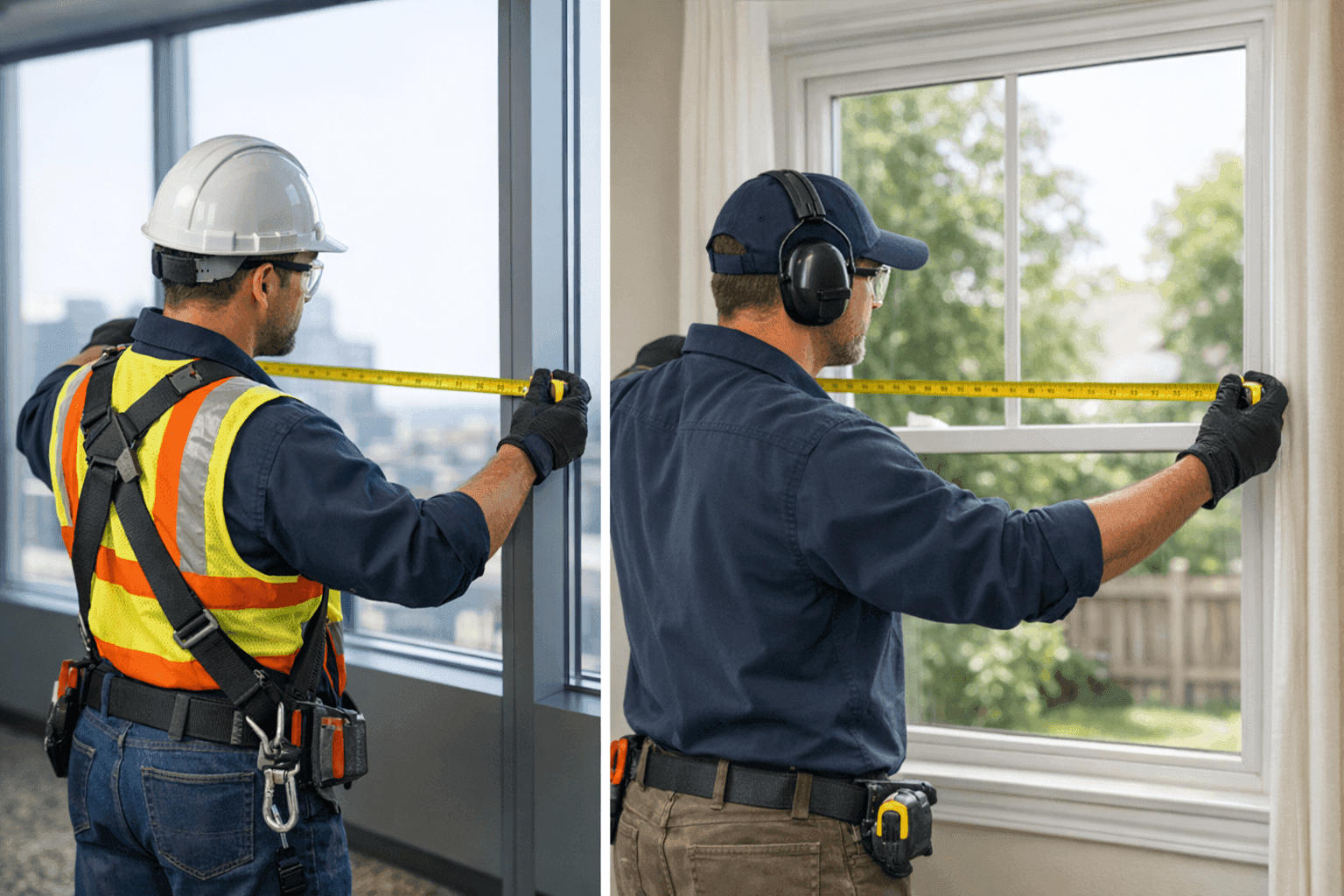
When it comes to windows, one size—or solution—never fits all. Whether you’re a homeowner looking for a cozy retreat or a business owner seeking a safe, efficient workspace, the right window choices make all the difference. At Champion Windows, we’ve spent years helping people make clear, confident decisions. It starts with understanding what sets commercial and residential window solutions apart.
Let’s dive into the details that matter most—so you get the right fit for your building, your budget, and your peace of mind.
Key Differences in Window Types 🪟
At first glance, a window looks like a simple pane of glass in a frame. But in reality, there’s a world of difference between what goes into a home versus an office, school, or storefront.
- Commercial Windows: Built for scale. Think towering glass facades, reinforced frames, and glazing that can handle the hustle and bustle of city life.
- Residential Windows: Designed for comfort. Think warmth, style, and features like double-hung sashes or bay windows that add character to your home.
Popular Types by Setting:
- For Homes: Bay, bow, casement, double-hung, awning, egress, picture, hopper, jalousie, skylights.
- For Businesses: Large commercial panes, storefront glass, steel or aluminum frames, security-focused options, and energy-efficient glazing.
The stakes are different, too. A cracked window at home might mean a drafty night. In a business, it could mean lost energy, safety risks, or even compliance fines.
Installation and Code Requirements
Installation is where homes and businesses truly part ways. Like the difference between building a treehouse and a skyscraper, the rules and skills change.
Residential Installations
- Focus on curb appeal, insulation, and easy use.
- Local codes often dictate egress requirements for bedrooms and safety glass near tubs and stairs (see the International Residential Code, or IRC).
- A skilled windows_contractor will ensure your new windows are secure, sealed, and snug.
Commercial Installations
- Must meet stricter building codes and industry standards (International Building Code, or IBC).
- Fire safety, wind-load ratings, and accessibility (ADA compliance) are critical.
- Often involves heavy equipment, multiple contractors, and detailed project management.
- Safety is paramount—think laminated glass, tempered glazing, and reinforced locks.
Tip: Always ask your contractor about their experience with the codes relevant to your property type. Mistakes here can be costly.
Maintenance and Security
Windows are more than just glass and frames—they’re your building’s eyes and shield. Keeping them in peak condition means understanding what each environment needs.
Residential Needs
- Maintenance: Routine cleaning, caulking, weatherstripping, and occasional repairs. Easy for most homeowners to handle, but annual inspections by a windows_contractor catch issues early.
- Security: Simple locks, reinforced latches, and privacy treatments. Optional upgrades like window alarms or shatter-resistant film.
Commercial Concerns
- Maintenance: Regular professional inspections, cleaning (often at height), and detailed record-keeping. Neglect can lead to liability issues.
- Security: Multi-point locks, access control, shatterproof glass, and sometimes even bullet-resistant glazing. Offices and retail spaces have much more to lose.
Quick Safety Checklist:
- Are all locks working?
- Do windows open and close smoothly?
- Is caulking or sealing cracked?
- Is any glass fogged, cracked, or loose?
- Any signs of mold or water intrusion?
If you answer “yes” to any, it’s time to call a pro.
Cost Considerations
Let’s talk numbers. Windows are an investment, but the price tag varies wildly between homes and commercial buildings.
What Drives the Cost Up?
- Size & Scale: Larger windows and greater quantities equal bigger bills.
- Materials: Commercial windows use stronger frames, thicker glass, and custom treatments.
- Labor: Specialized installation teams and equipment for high-rise or large-scale jobs.
- Code Compliance: Safety and energy standards add to the total—sometimes significantly.
Budgeting for Your Project
- Homeowners: Focus on energy savings, style, and long-term value. Window Replacement can pay for itself in comfort and lower bills over time.
- Business Owners: Consider not just upfront costs, but also maintenance, insurance, and even tax incentives for energy-efficient upgrades.
Helpful Note: The U.S. Department of Energy and ENERGY STAR offer guidance on choosing efficient windows that can save money year after year.
DIY vs. Call a Pro
Changing a window isn’t quite like swapping a light bulb. While some handy homeowners can manage simple repairs, window installation—especially for businesses—calls for a seasoned windows_contractor.
- DIY: Clean tracks, replace screens, simple caulking.
- Pro: Full frame replacement, commercial glass, code-compliant lock installation, energy audits, large-scale projects.
If you’re ever unsure, err on the side of caution. A poorly installed window can lead to drafts, leaks, or worse.
What Happens When Pros Arrive
When our Champion Windows crew shows up, here’s what you can expect:
- Assessment: Inspect the site, measure precisely, and discuss your needs.
- Planning: Review code requirements, safety, and logistics.
- Preparation: Protect floors, furniture, and landscaping.
- Installation: Remove old units, prep the opening, install the new window, and seal everything tight.
- Final Check: Test operation, lock security, and clean up.
No shortcuts—just peace of mind.
Prevention & Maintenance
A little care goes a long way. Whether you’re running a bustling shop or relaxing at home, regular window maintenance keeps trouble at bay.
- Residential: Clean glass and tracks twice a year, check weatherstripping, and look for water spots or drafts.
- Commercial: Schedule quarterly inspections, professional cleaning, and prompt repairs.
Pro Tip: If you notice stubborn condensation, drafts, or rising energy bills, those are early warning signs. Address them early to prevent bigger headaches.
When It’s an Emergency
Accidents happen—a baseball through the living room window, a break-in at the office. Champion Windows offers emergency window services to help you secure your space fast.
- Temporary Board-Up: Keeps out weather and intruders.
- Glass Replacement: Restore safety and comfort.
- Insurance Documentation: We’ll help with photos and paperwork if you need it.
Don’t try to patch a broken window with cardboard or tape. Call a pro and stay safe.
Common Mistakes to Avoid
Even the most careful property owners slip up sometimes. Here are a few missteps we see most often:
- Ignoring small cracks or foggy panes.
- Using household caulk instead of window-specific sealants.
- Skipping annual inspections—especially on upper floors.
- Choosing the wrong glass for the setting (privacy, UV, or energy efficiency needs).
- Forgetting to lock windows, especially in accessible areas.
A little attention now saves a world of hassle later.
Signs of Trouble
Don’t wait until a window fails. Watch for:
- Sticking, difficulty opening, or drafts.
- Water stains, mold, or peeling paint near frames.
- Sudden increases in utility bills.
- Visible gaps or loose panes.
- Unexplained condensation between glass layers.
If you spot these, you may need a replacement or repair.
Timeline and Disruption
No one likes a project that drags on forever. Here’s what to expect:
Residential
- Most window replacements take a day or two.
- Minor repairs or tinting can be done in hours.
- Minimal mess—your daily routine stays on track.
Commercial
- Large projects may take weeks, depending on scale.
- Night or weekend work often scheduled to minimize disruption.
- Safety zones and signage may be needed in busy areas.
Reminder: A good windows_contractor company will always provide a clear timeline up front.
Materials and Equipment: What Sets Them Apart
- Residential: Vinyl, wood, composite, fiberglass—each has pros and cons for style, insulation, and cost.
- Commercial: Often use aluminum, steel, or commercial-grade vinyl for strength, fire resistance, and longevity.
Glazing options abound: tinted, laminated, insulated, or even smart glass that adjusts to the light.
Energy Efficiency: More Than Just Savings
Energy-efficient windows aren’t just a selling point—they’re a necessity. In homes, they keep you cozy and lower bills. In commercial spaces, they mean comfort for customers and real savings for owners.
- Low-E Coatings: Reflect heat, save on cooling.
- Gas Fills (Argon/Krypton): Improve insulation.
- Multiple Panes: Block noise and boost comfort.
ENERGY STAR and the U.S. Department of Energy both recommend these features for maximum efficiency.
Security Upgrades and Safety First
Windows are a common entry point for intruders. Here’s how to keep your space safer:
- Residential: Window Lock Installation near you, reinforced hardware, and impact-resistant glass.
- Commercial: Smart locks, keyed systems, shatterproof glazing, and security film.
Always review local safety codes to ensure compliance, especially for businesses with public access.
Choosing the Right Provider
Selecting the right windows_contractor is as important as choosing the right window. Look for:
- Experience with your type of property.
- Knowledge of local codes and safety standards.
- Clear, detailed estimates.
- Positive community reputation.
If you need windows_contractor services or are looking for Commercial Window Services, Champion Windows is ready to help—wherever you are.
FAQ: Your Window Questions Answered
How often should I replace my windows?
Residential windows last 15–30 years; commercial units can vary based on use and exposure.
Can I tint my business’s windows for privacy?
Yes—tinting helps with privacy and energy efficiency. Check local codes for restrictions.
What’s the difference between repair and replacement?
Minor issues (like broken locks or small cracks) can be repaired. Major damage, fogging, or frame rot usually calls for replacement.
How do I know my windows are secure?
Test all locks, check for solid fit, and consider a professional security audit.
Seasonal Considerations
- Spring & Fall: Ideal times for inspections and maintenance.
- Winter: Check for drafts; seal or replace as needed.
- Summer: Inspect for UV damage or fading.
Weather can affect installation timing—plan ahead for big projects.
Final Thoughts: Which Solution Fits You?
At the end of the day, your windows should fit your needs—whether that’s a warm, inviting home or a secure, efficient business. The differences between residential and commercial solutions aren’t just technical—they’re about how you live, work, and protect what matters most.
Call Champion Windows now — or reach us anytime at 855-502-8869 .