The Complete Guide to Hopper Window Installation
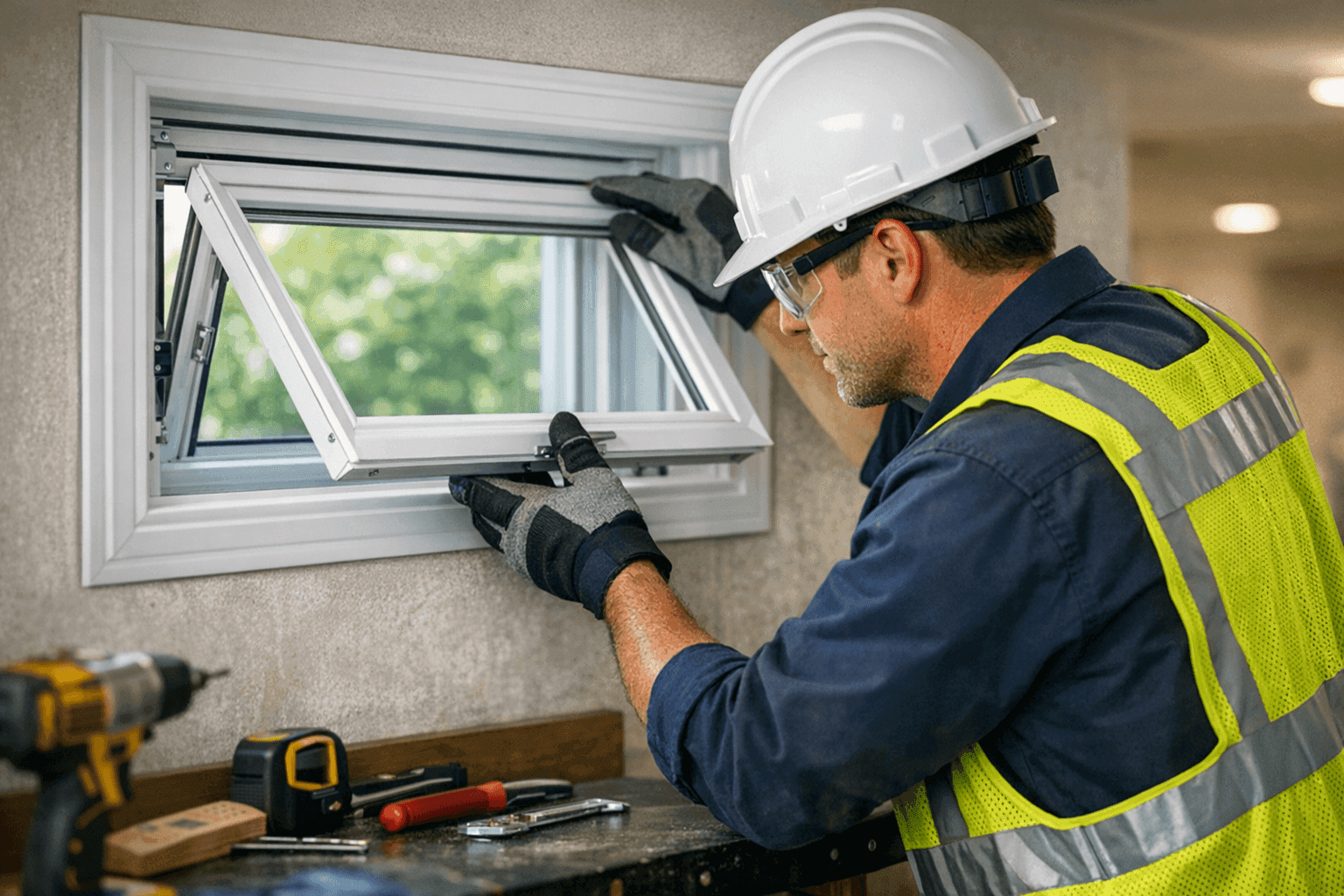
Ever felt like your basement or bathroom is a cave—dark, stuffy, and sealed off from the world? Or maybe you’re tired of windows that just don’t fit the snug, quirky spaces in your home. At Champion Windows, we’ve seen these stories play out in homes just like yours. That’s why we’re here—to turn those dim corners into bright, breezy retreats.
This guide is your roadmap to understanding, choosing, and installing hopper windows. Whether you’re a homeowner ready to roll up your sleeves or searching for a reliable windows_contractor company, you’ll find everything you need below.
What Are Hopper Windows? 🪟
Hopper windows are the unsung heroes of small spaces. Picture this: a window that’s hinged at the bottom and opens inward from the top, like a mailbox slot. That clever design lets fresh air in while helping keep out rain and debris—a small detail with a big impact.
You’ll often find hopper windows in:
- Basements, where space is tight and wall height is limited
- Bathrooms, for privacy and moisture control
- Laundry rooms or utility nooks, where airflow is a must
Think of them as the Swiss Army knife of windows—compact, versatile, and surprisingly powerful for their size.
Benefits in Basements and Baths
Why choose a hopper window over more traditional styles? The answer is in the details:
- Ventilation: Their top-down opening draws in fresh air, even in cramped spaces.
- Security: Since they rarely open wide enough for entry, they add a layer of protection—especially vital near ground level.
- Light: Hopper windows punch above their weight, sending shafts of daylight into windowless corners.
- Moisture Control: In bathrooms and basements, mold is the enemy. Hopper windows fight back by letting humidity escape, not linger.
- Energy Savings: When paired with quality glass and seals, they keep drafts and leaks at bay.
For many homeowners, hopper windows are the secret weapon in the fight against musty smells and dark, uninviting rooms.
Unique Ventilation and Security Advantages
Here’s where hopper windows really shine. Because they tilt inward from the top, rainwater finds it tough to sneak in—even during a downpour. The controlled opening also makes it harder for intruders or critters to access your home.
And for families? Hopper windows can be a safer bet in playrooms or basements. Their limited opening helps keep curious kids and pets inside, not exploring the backyard unsupervised.
Installation Steps: How the Pros Do It
Installing a hopper window isn’t just about fitting glass into a hole. It’s about precision, safety, and long-term performance. Here’s how Champion Windows approaches hopper window installation:
1. Assessment and Measurement
- Site Inspection: We evaluate the space, checking for moisture, structural issues, and code requirements. (See International Residential Code for egress and venting standards.)
- Accurate Measurements: There’s no room for error. Even a half-inch off can mean leaks or drafts later.
2. Preparing the Opening
- Remove Old Window/Frame: Carefully, to avoid damaging the wall or finish.
- Inspect for Damage: We check for rot, mold, or pest issues—repairing as needed before installing anything new.
3. Setting the Hopper Window
- Dry Fit: Test the window in the opening to ensure a snug fit.
- Apply Flashing and Sealant: This step keeps water out and energy in.
- Secure the Frame: Anchors and shims ensure the window is perfectly level and plumb.
4. Insulation and Sealing
- Foam Insulation: Expanding foam fills gaps, blocking drafts.
- Final Caulking: A bead of weatherproof caulk seals the deal, inside and out.
5. Function and Finish
- Test Operation: The window should open and close smoothly, locking securely.
- Trim and Paint: Clean lines and smooth finishes blend the window seamlessly into your space.
Curious about the process for other window types? Check out our Window Installation page for a broader overview.
Quick Safety Checklist
Before you or your contractor start, make sure:
- The window meets local building codes for size and placement.
- If in a basement bedroom, it may need to double as an egress window—check with your local fire marshal or consult the International Residential Code.
- All tools are in good working order, and you have gloves, goggles, and dust masks on hand.
- The work area is cleared of obstacles and valuables.
Safety isn’t just a buzzword. It’s the foundation of a job done right.
DIY vs. Call a Pro
Hopper windows seem simple, but don’t let their size fool you. Installing them well means dealing with tricky angles, tight spaces, and waterproofing details that can make or break your project.
DIY may work if:
- You have solid carpentry skills
- The wall isn’t load-bearing
- The opening already exists and needs only a swap
But call a professional windows_contractor if:
- You’re cutting into concrete, brick, or foundation walls
- The window must meet egress standards for safety
- You want a warranty on workmanship
A seasoned pro brings more than tools—they bring experience, speed, and peace of mind.
Choosing Materials: Frame and Glass Options
Hopper windows come in a variety of materials. Each has its pros and quirks:
Frames
- Vinyl: Popular for affordability, low maintenance, and moisture resistance. Great for basements and bathrooms.
- Aluminum: Strong and slim, but may need a thermal break to avoid condensation.
- Wood: Classic look and good insulation, but needs regular painting or sealing in damp spaces.
- Fiberglass: Durable and energy-efficient, with a higher price tag.
Glass
- Double-Pane (Insulated): Keeps spaces comfortable and energy bills in check.
- Tempered Safety Glass: Required in bathrooms and some basements for safety.
- Low-E Coatings: Reflect heat, keeping rooms cooler in summer and warmer in winter.
For custom needs, such as privacy or energy efficiency, your windows_contractor can suggest tinted or textured glass, triple-pane units, or even soundproofing options.
Common Mistakes to Avoid
- Skipping waterproofing: Even the best window leaks if it’s not sealed and flashed right.
- Bad measurements: Guessing leads to headaches. Always measure twice—order once.
- Ignoring code: Egress and safety codes exist for a reason. Don’t risk fines or safety.
- Cheap materials: Low-grade caulk and hardware will fail before the next season.
Seasonal Considerations
- Winter: Cold weather installations need special care—caulk can freeze, and insulation may not cure properly.
- Spring/Summer: Ideal for most projects. Materials set well, and you avoid the rush before winter.
- Storms: If your region is prone to heavy rain, storm windows or additional sealing may be wise.
Timeline & Disruption
Most standard hopper window installations take 2–4 hours per window, but prep and finishing can stretch the project to a full day—especially if repairs are needed. Expect some dust, noise, and brief disruption, but the transformation is worth it.
Prevention & Maintenance
Hopper windows are low-fuss, but they appreciate a little TLC:
- Wipe tracks and hinges twice a year to keep things moving smoothly.
- Check seals and caulking before rainy seasons.
- Open and close the window regularly to keep hardware from sticking.
Ask about our window maintenance plans for hands-off upkeep.
When It’s an Emergency
Broken glass? Stuck window? Water leaks after a storm? Sometimes, waiting isn’t an option. Champion Windows offers emergency window services and quick turnarounds for urgent repairs—because a secure, dry home can’t wait.
Costs & Time Factors
Pricing depends on:
- Window size and material
- Complexity of installation (new cut vs. replacement)
- Location and accessibility (basement windows may need extra prep)
On average, expect to invest in quality materials and skilled labor. Remember, a well-installed hopper window pays you back in lower utility bills, better air quality, and peace of mind.
FAQ: Hopper Window Edition
Can hopper windows be used as egress windows?
Sometimes. They must meet minimum opening sizes (per the International Residential Code) to qualify as exits.
Do they work for above-ground rooms?
Absolutely—think small bathrooms or utility spaces.
How secure are they?
Very. Their inward tilt and sturdy locks make them tough to breach.
Are they energy efficient?
With insulated glass and quality seals, hopper windows can be surprisingly energy-smart.
Still have questions? Our team is always happy to help.
Signs of Trouble
Watch for these red flags:
- Condensation or fogging between panes
- Sticking, swelling, or hard-to-open sashes
- Visible mold or musty smells
- Peeling caulk or water stains on the sill
Spot an issue? Address it before it mushrooms into major repairs.
Custom Solutions for Unique Spaces
No two homes—or basements—are exactly alike. Champion Windows specializes in custom window solutions, matching the right size, style, and features to your unique needs. Whether you need a single hopper or a mix with other window types, we’ll create a plan that fits your lifestyle.
For those seeking a trusted windows_contractor company in your area, we’re proud to offer windows_contractor services in Cathedral City and beyond.
Ready to bring new light and fresh air to your basement, bath, or utility space? Hopper windows might be exactly what you need. For tailored advice, professional installation, or a friendly chat about your options, reach out today.
Call Champion Windows now — or reach us anytime at 855-502-8869 .