How to Perform a DIY Window Inspection—And When to Call a Pro
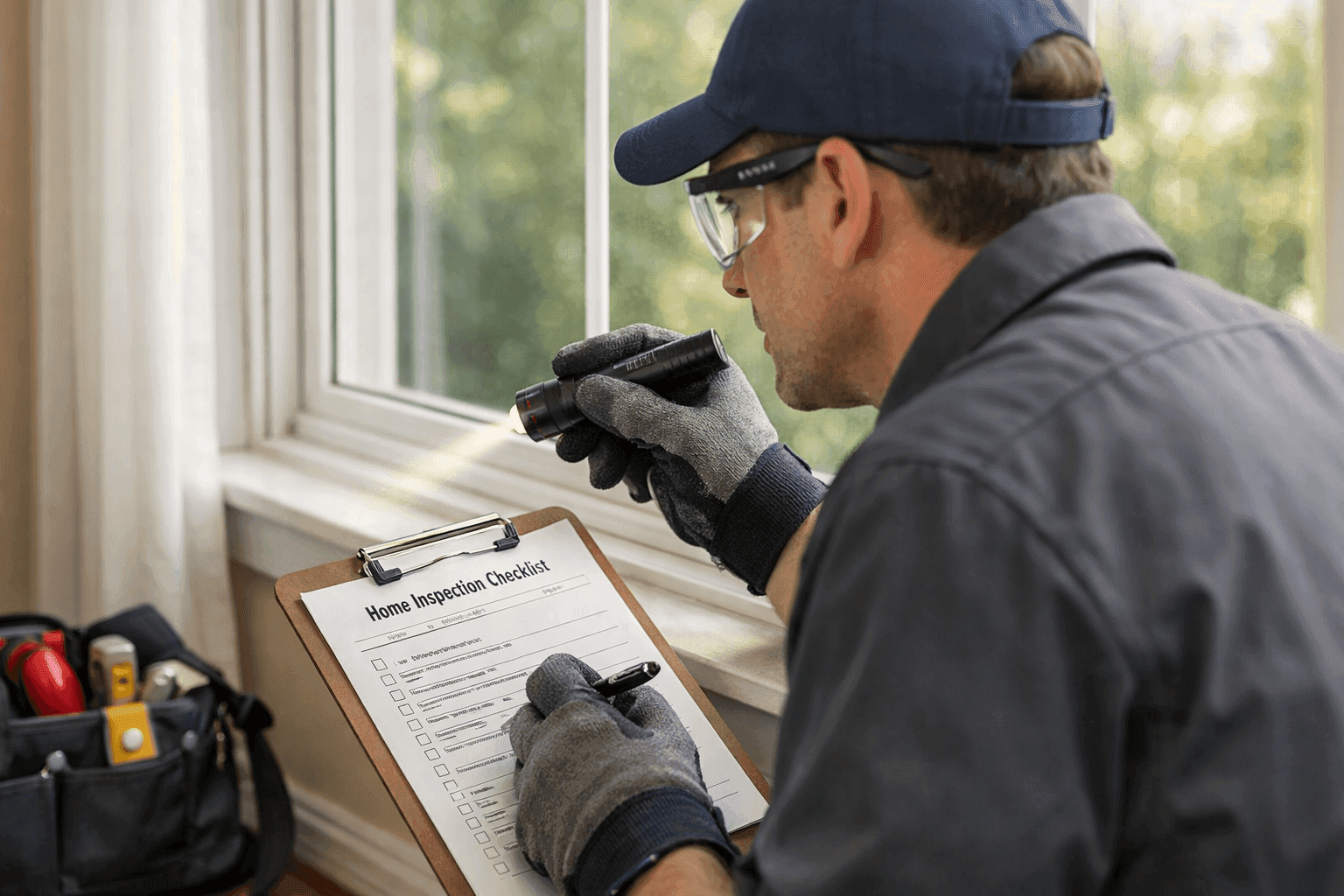
Windows are the eyes of your home. They let in sunlight, keep out unwanted drafts, and frame your favorite views. But when something’s off—a stubborn draft, a mysterious leak, or a lock that sticks—you notice. Ignoring minor window issues can pile up to bigger headaches.
At Champion Windows, we know that timely window care isn’t just about comfort. It’s about protecting your investment, saving money, and keeping your space safe. Here’s how to check your own windows—and when it’s time to hand things over to a windows_contractor.
Why Inspect Your Windows? 🧐
A quick window check is like a health checkup for your home. Spot little problems now, and you can avoid bigger, more expensive surprises down the road.
- Catch Leaks Early: Small leaks can lead to water damage, mold, or warped frames if ignored.
- Save on Energy Bills: Drafty windows are like open wallets—air escapes, and so does your money.
- Keep Your Family Safe: Faulty locks or loose panes can put security—and curious kids—at risk.
- Maintain Curb Appeal: Clean, well-kept windows make your home look inviting and well cared-for.
DIY Inspection Checklist: What to Look For
Put on your detective hat. Here’s a step-by-step guide for a basic window inspection you can do yourself.
- Check for Drafts: On a breezy day, run your hand around the edge of each window. Feel any cool air? That’s a sign your seal is leaking.
- Look for Water Stains: Discoloration or bubbling near the window frame means moisture might be sneaking in.
- Inspect the Glass: Any chips, cracks, or fogging between panes? These weaken your window’s barrier and efficiency.
- Test Moving Parts: Open and close each window. If it sticks, grinds, or won’t lock, jot that down.
- Examine the Frame: Wooden frames should be solid, not soft or splintering. Vinyl or metal should be free of warps and dents.
- Check the Caulking: Old, peeling, or missing caulk won’t keep water and air out.
- Look at Screens and Treatments: Torn screens or broken blinds can let pests or sun damage in.
- Assess Security: Ensure every window lock is working. A faulty lock is an open invitation.
- Cleanliness Matters: Dirt buildup can hide trouble or even cause damage over time.
Pro Tip: Keep a notepad handy. Record what you find so nothing slips through the cracks.
Quick Safety Checklist
Before you start, a few reminders:
- Use a sturdy step stool or ladder for high windows.
- Don’t force stuck windows—they can shatter or pinch fingers.
- If you find cracked glass, avoid touching sharp edges.
The U.S. Consumer Product Safety Commission recommends always wearing gloves when inspecting or cleaning glass.
Common Signs You Need a Pro
Some issues are best left to a seasoned windows_contractor. Here’s when to pick up the phone:
- Large Cracks or Broken Panes: DIY fixes are risky and rarely last.
- Major Water Damage: Warped frames, rotten wood, or mold call for expert attention.
- Persistent Drafts: If new weatherstripping doesn’t solve it, there may be structural issues.
- Stuck Windows: Forcing windows open can break hardware or damage the frame.
- Security Issues: If locks won’t engage or you suspect a break-in risk, get professional help right away.
- Foggy Double-Panes: Moisture trapped between panes means the seal is shot—replacement is usually needed.
- Unusual Noises: Whistling, rattling, or clanging may mean loose parts or gaps that need more than a quick fix.
If you live in the area and need help, our windows_contractor specialists are ready to assist.
DIY vs. Professional Help: How to Decide
Ask yourself:
- Can you safely access all parts of the window?
- Do you have the right tools?
- Is the problem surface-level (like a torn screen) or is it structural?
If you’re unsure, err on the side of caution. Windows are more complex than they seem. Sometimes, what looks like a simple fix—like a sticking sash—can hide deeper problems with alignment or water intrusion.
What Pros Do When They Arrive
A professional windows_contractor brings more than a toolkit. Here’s what you can expect:
- Full Diagnostic: Pros use moisture meters, thermal cameras, and years of experience to spot hidden problems.
- Code Compliance: We follow building codes and safety standards (see the International Residential Code for window egress requirements).
- Lasting Repairs: From advanced weatherstripping to full frame repairs, contractors have access to quality materials and techniques.
- Security Upgrades: We can replace faulty locks or recommend advanced solutions like Window Lock Installation.
Prevention & Maintenance Tips
A little routine care goes a long way. Here’s how to keep windows in top shape:
- Wipe down frames and glass monthly—dust and grime can hide damage.
- Re-caulk every few years or when you spot cracks.
- Lubricate moving parts with silicone spray.
- Inspect locks and hardware before each season change.
- Schedule a professional inspection every few years, especially after severe weather.
Window Issues: When It’s an Emergency
Not all window problems can wait:
- Broken or Missing Glass: Don’t leave your home exposed to weather or intruders.
- Security Breach: Faulty locks after a break-in? Act fast.
- Major Leaks During Storms: Water pouring in can quickly damage floors and walls.
If you’re facing urgent issues, our emergency window services are available.
Seasonal Considerations
- Spring & Fall: Prime times for inspections—before extreme weather arrives.
- Winter: Look for condensation or ice buildup.
- Summer: Watch for sun damage or warping, especially on south-facing windows.
Common DIY Mistakes
- Using the wrong caulk. (Silicone for glass-to-glass, not frames.)
- Over-tightening screws on hardware—can strip threads or crack frames.
- Skipping the safety gear.
- Ignoring small issues until they become big ones.
Costs & Time Factors
DIY fixes (like new caulk or weatherstripping) are quick and affordable. But if you need new glass, hardware, or frame repairs, costs and timelines depend on window type, damage, and availability of materials. A windows_contractor can provide a clear estimate.
Timeline & Disruption
Most inspections take about 30-60 minutes per home. Larger repairs or replacements may mean a few hours to a full day. Champion Windows always works to minimize disruption.
Materials & Equipment for DIY Inspection
- Flashlight
- Small screwdriver (for locks)
- Gloves
- Notepad
- Basic cleaning supplies
Optional: Tape measure, moisture meter.
Next Steps After Inspection
Found something? Don’t ignore it. Here’s how to move forward:
- Minor Issues: Clean, re-caulk, or replace weatherstripping.
- Security Concerns: Upgrade or repair locks—see Window Lock Installation.
- Major Repairs or Persistent Problems: Call a windows_contractor for a thorough fix.
Keep your notes for reference—especially if you plan upgrades or need warranty service.
FAQ: DIY Window Inspection
Q: How often should I inspect my windows?
A: Twice a year is ideal—spring and fall.
Q: Is window fogging normal?
A: No. Fog between panes means a broken seal.
Q: Can I fix a stuck window myself?
A: Sometimes, but if it resists, don’t force it—call a pro.
Q: Are all window issues urgent?
A: No, but security and water leaks should never wait.
Conclusion: Take Charge of Your Windows!
A little attention keeps your windows working their best. If your inspection turns up problems—big or small—Champion Windows is here to help with repairs, upgrades, and peace of mind. Whether you need basic maintenance or advanced Window Lock Installation, our team is ready.
Call Champion Windows now — or reach us anytime at 855-502-8869 .