How to Install and Maintain Window Well Covers
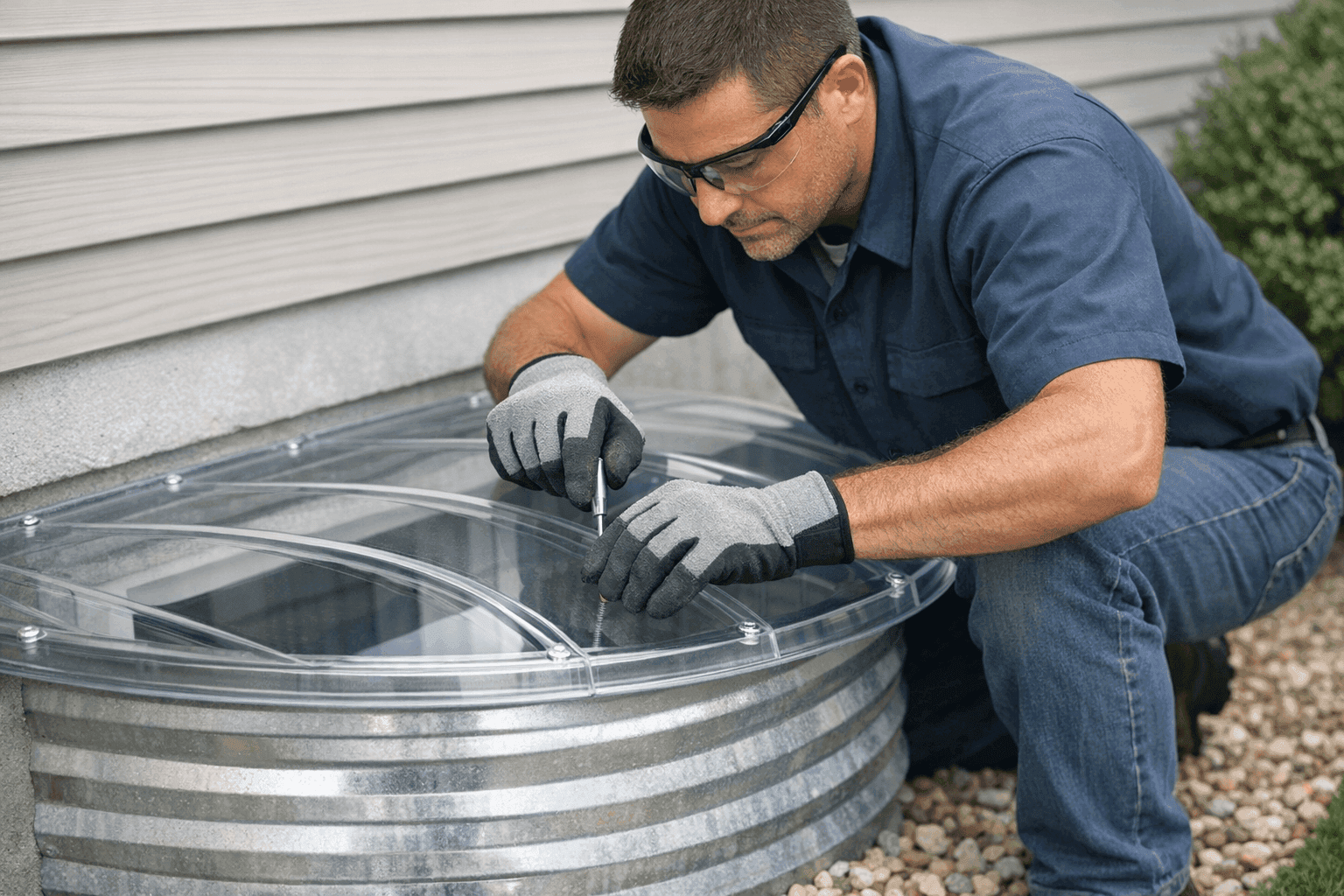
It only takes one heavy rain for a basement to become a pond. Leaves, mulch, or even one stray raccoon can turn a window well into a headache. At Champion Windows, we understand the stress these “little things” cause—and how the right window well cover keeps your home dry, clean, and safe.
Let’s walk through why these covers matter, how to choose the best one, and exactly what it takes to install and maintain them with confidence.
Why Window Well Covers Matter 🛡️
Window well covers might look simple, but their job is huge. They’re the unsung heroes standing between your basement and the outside world. A properly installed cover:
- Blocks rainwater, snow, and ice from flooding your window wells.
- Stops leaves, sticks, and trash from piling up and causing drainage problems.
- Keeps out critters—think rodents, snakes, and insects—who see your window well as a cozy shelter.
- Adds a layer of security, making it harder for intruders to access basement windows.
- Helps prevent accidental falls, especially for kids and pets.
According to the International Residential Code (IRC), window wells must allow for emergency egress. That means covers need to be secure, but easy to remove from the inside. It’s about protecting what matters most—your home and your family.
Types of Window Well Covers
Not all window well covers are created equal. The best choice depends on your needs, window style, and local climate.
Materials:
- Polycarbonate: Lightweight, super-strong, and UV-resistant. Lets in light but blocks debris and rain.
- Metal (Steel or Aluminum): Durable and tough, often used for security or heavy-duty applications.
- Acrylic: Clear like glass, but lighter. Can scratch more easily than polycarbonate.
Styles:
- Flat: Sits flush, great for low-profile wells but may collect snow.
- Bubble/Domed: Sheds water and snow away. Allows more interior light.
- Grate: Metal bars—ideal for airflow, but less debris protection.
Security Features:
- Locking mechanisms or clips (important if you want extra peace of mind, but remember: covers must be easy to open from inside for emergency exit).
- Reinforced edges or tamper-resistant hardware.
Quick Safety Checklist Before You Begin
- Double-check your well’s dimensions. Guessing leads to bad fits and wasted time.
- Inspect for proper drainage—clogged or poorly designed wells can still flood, even with a cover.
- Verify local building codes for egress requirements. Safety first!
- If your window is an emergency exit, never install a cover you can’t open easily from inside.
Measuring for the Perfect Fit
Think of this like trying on shoes—too small, and it won’t protect; too large, and it won’t stay put.
- Measure the width at the widest point of the well (side to side).
- Measure the projection—distance from the house wall to the outer edge of the well.
- Note the height if you’re using a domed or bubble cover.
Pro tip: Write these numbers down. Double-check. Then check again.
Tools and Materials You’ll Need
- Tape measure
- Drill (for mounting hardware if needed)
- Screwdriver
- Safety gloves and goggles
- Window well cover kit (with hardware)
- Level (optional but helpful for a snug fit)
Step-by-Step Installation Guide
- Prep the Area: Clear debris, check for standing water, and make sure the window well is stable.
- Dry-Fit the Cover: Place the cover on the well. Confirm that it fits all edges without gaps.
- Mark the Mounting Points: Use a marker or pencil to note where the brackets or clips will go.
- Install Hardware: Following manufacturer instructions, attach the brackets or clips to the well. If drilling into concrete, use masonry bits and anchors.
- Secure the Cover: Snap or bolt the cover into place. It should be snug—no rattling in the wind.
- Test for Emergency Egress: If the well is an escape route, make sure you (or a family member) can open the cover from the inside.
If you’re ever unsure, don’t risk it. Reach out to a professional windows_contractor company for peace of mind.
DIY or Call a Pro?
Some covers can be installed by handy homeowners in an afternoon. But if your window wells are deep, unusually shaped, or connected to egress windows, the job gets trickier.
Professional installation from Champion Windows means:
- Exact measurements for a custom fit.
- Secure hardware that stands up to storms.
- No guesswork—every cover meets code and safety standards.
Preventing Water, Debris, and Pest Entry
A well-fitted window well cover is like a roof for your basement window. Here’s how to keep it working:
- Check after every big storm—has the cover shifted? Is there water pooling?
- Clean off leaves, dirt, and snow regularly.
- Inspect the seal where the cover meets the house; repair any gaps with exterior caulk or weatherstripping.
Maintenance and Inspection 🧼
Keeping your covers in top shape is simple but essential:
- Seasonal Cleaning: Hose off dirt and grime every spring and fall.
- Winter Watch: Clear snow and ice after storms to prevent cracking or bowing.
- Check Hardware: Tighten screws and check brackets at least twice a year.
- Look for Damage: Replace cracked, bent, or warped covers promptly. Don’t wait for the next storm.
Common Mistakes to Avoid
- Wrong Size: A cover that’s too small lets water pour in; too large, and it blows away.
- Ignoring Local Codes: Covers must be removable from inside for emergency exits.
- Skipping Maintenance: Even the strongest cover fails if neglected.
- Improper Installation: Loose or missing hardware can turn a cover into a flying hazard on windy days.
Signs It’s Time to Replace Your Cover
- Cracks, cloudiness, or yellowing (limits visibility and light).
- Rust or corrosion (especially on metal covers).
- Warping or a loose fit after heavy weather.
A tired cover isn’t just ugly—it’s a weak link in your home’s protection.
Costs, Disruption, and What to Expect
Most window well covers are affordable, especially compared to the cost of cleaning up after a flooded basement. DIY takes a few hours; professional installation is quick and minimizes disruption to your routine.
If you’re in need of other services—like Window Lock Installation—Champion Windows can advise you on the best ways to protect your home’s windows, inside and out.
When It’s an Emergency
If water is rushing in or you spot a critter nest, don’t wait. Emergency window services are available—Champion Windows responds quickly to keep your home safe and sound.
FAQ: Window Well Cover Basics
Do I need a cover if my well never floods? Absolutely. Covers also block pests, debris, and reduce fall risks.
Can I use a tarp or homemade solution? Not recommended—these rarely seal properly and often fail in bad weather.
How often should I inspect my covers? At least twice a year. Before and after winter is a good rule of thumb.
Seasonal Tips for Window Well Covers 🍂
- Spring: Clear out winter debris, check covers for cracks.
- Summer: Watch for plant growth or insects.
- Fall: Remove leaves weekly.
- Winter: Remove snow buildup, check for ice dams.
Champion Windows: Durable Products, Professional Fitting
Our window well covers are built to last. We use only materials designed to withstand harsh weather and sunlight. Whether you need a single cover or a full set for your basement windows, our team ensures proper installation, code compliance, and expert advice.
Residents looking for reliable windows_contractor services can rely on our experience and attention to detail for every job.
Call Champion Windows now — or reach us anytime at 855-502-8869 .