How to Lubricate Window Tracks and Hinges for Smooth Operation
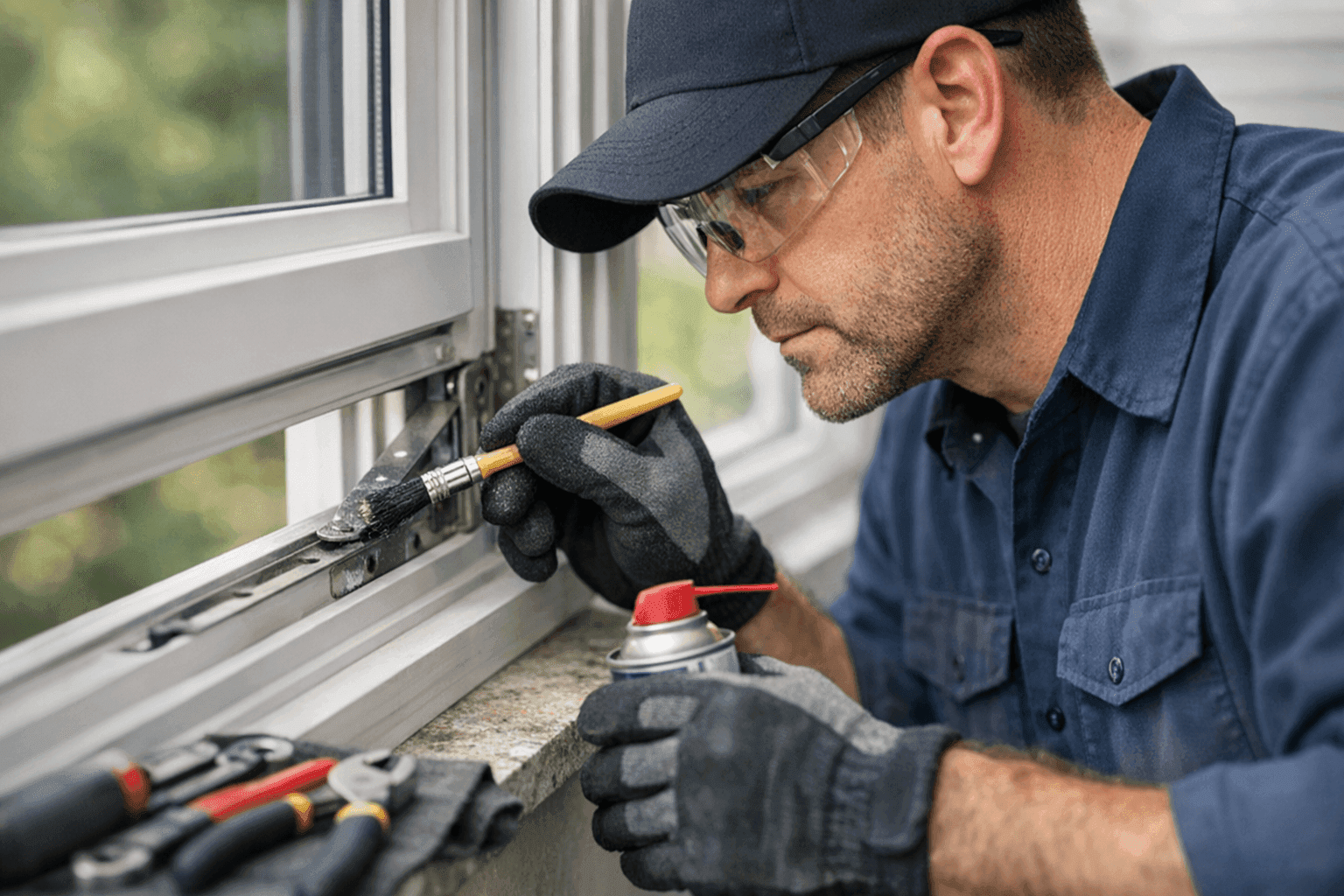
Do your windows creak, stick, or refuse to budge when you need fresh air most? Maybe you’ve tried to muscle them open, only to hear a groan of protest from the frame. You’re not alone—this is a common headache for homeowners, especially as seasons change and dust settles in.
At Champion Windows, we’ve seen it all: from windows frozen in place to hinges that shriek louder than a rusty gate. The good news? A little regular care goes a long way. Lubricating your window tracks and hinges can keep them working smoothly for years, saving you time, money, and frustration.
Why Lubrication Matters 🛠️
Windows are like the joints in your home—they need to move effortlessly to do their job. Over time, dust, dirt, and moisture can build up in tracks and hinges, causing friction. This extra resistance makes windows hard to open or close, and can even lead to wear on vital parts.
Think of lubrication as giving your windows a gentle “tune-up.” It:
- Prevents sticking and jamming
- Reduces squeaks and grinding noises
- Minimizes wear and tear on moving parts
- Protects against rust and corrosion
- Helps locks and latches work reliably (essential for security)
Just as you wouldn’t drive a car without oil, your window hardware needs routine attention—especially if you want it to last.
Types of Lubricants: Which Should You Use? ⚙️
Choosing the right lubricant isn’t just about grabbing the nearest can from the garage. Each type has its strengths and best uses:
Silicone Spray:
- Great for most window tracks and hinges, especially vinyl and metal.
- Leaves a light, non-greasy film that repels dust and moisture.
- Safe for indoor use (check the label for ventilation advice).
Graphite Powder:
- Best for locks and tight spaces where liquid could gum things up.
- Doesn’t attract dirt—ideal for older or more delicate mechanisms.
Lithium Grease:
- Heavy-duty, long-lasting.
- Suitable for exterior or storm windows exposed to the elements.
What to Avoid:
- WD-40 and similar multipurpose sprays are handy for quick fixes but don’t offer lasting protection.
- Oily or petroleum-based products can trap dirt, making matters worse over time.
If you’re unsure, ask a windows_contractor or check your manufacturer’s care instructions.
Quick Safety Checklist Before You Start
- Wear gloves to protect your hands from sharp edges.
- Open windows slowly to check for stuck or damaged parts.
- Keep cleaning and lubricating products out of reach of children and pets.
- Work in a well-ventilated area, especially with sprays.
Step-by-Step: How to Lubricate Window Tracks and Hinges
Ready to roll up your sleeves? Here’s how to keep your windows gliding like new:
1. Clean the Surface
- Remove dirt and debris: Use a soft brush or vacuum with a nozzle attachment.
- Wipe down: Dampen a cloth with mild soap and water to remove grime. Dry thoroughly before applying any lubricant.
2. Inspect for Damage
- Look for cracks, rust, or worn-out hardware.
- If you spot anything serious, it might be time to call a professional for window-lock-installation or repair.
3. Apply the Lubricant
- Spray or dust: Apply a small amount of silicone spray or graphite powder directly to the track and hinge points.
- Work it in: Move the window back and forth several times to distribute the lubricant evenly.
- Wipe excess: Any drips or overspray can attract dust—wipe them away with a clean, dry cloth.
4. Test the Operation
- Open and close the window fully several times.
- Listen for any lingering squeaks or resistance.
How Often Should You Lubricate?
A good rule of thumb: lubricate your windows twice a year—once in the spring and again before winter. If your area is dusty, humid, or prone to storms, check your windows more often. High-traffic spaces (like kitchens and kids’ rooms) may need a little extra care.
Signs Your Windows Need Attention
- Difficulty sliding or swinging open
- Audible squeaks or grinding
- Windows “bouncing back” instead of locking in place
- Visible rust or mold on tracks or hinges
Don’t ignore these red flags. They’re your window’s way of saying, “Help, please!”
DIY vs. Calling a Pro
Lubrication is a homeowner-friendly task, but some issues need a professional touch. Windows that are severely stuck, have broken locks, or show signs of frame damage could require expert care—especially if you need specialized window-lock-installation or security upgrades.
What Pros Do Upon Arrival
A skilled windows_contractor will:
- Inspect for underlying causes of sticking (like warped frames or hardware misalignment)
- Use safe, effective materials that won’t harm window finishes
- Test all moving parts and locks for smooth operation
- Advise on repairs or upgrades if needed
Professional work ensures your windows meet current building codes and safety standards (reference: International Residential Code, Section R308).
Materials and Tools: What You’ll Need
- Silicone spray or graphite powder
- Clean rags
- Soft brush or vacuum
- Mild dish soap and water
- Gloves
- Small screwdriver (for removing stubborn dirt or adjusting hardware)
Prevention & Maintenance: Keep Your Windows Trouble-Free
Just like brushing your teeth, a little window care goes a long way. Here’s how to keep things running smoothly:
- Clean tracks and sills monthly to prevent buildup.
- Check weatherstripping for wear.
- Inspect locks and latches for proper alignment.
- Schedule a yearly window energy audit to spot hidden issues.
For those in the area, our windows_contractor specialists are always ready to help keep your home secure and efficient.
Common Mistakes to Avoid
- Overusing lubricant—more isn’t better, it can just attract grime.
- Ignoring visible damage.
- Using the wrong type of lubricant for your window material.
- Forgetting to clean before lubricating (trapping dirt can cause more issues).
Seasonal Considerations for Window Care 🌦️
- In winter, cold temps can make tracks stiff. Lubricate before the freeze.
- Spring pollen and dust require extra cleaning.
- After heavy storms, inspect for water intrusion and dry out tracks before applying lubricants.
When It’s an Emergency
If your window won’t close or lock (especially during extreme weather), that’s an emergency. Don’t force it—this can cause more damage. Secure the area and call a professional for help right away.
Timeline and Disruption: What to Expect
Most window lubrication jobs take less than 30 minutes per window—even less as you get the hang of it. No major mess or tools needed. Just a little patience and regular attention.
FAQ: Your Window Lubrication Questions Answered
Can I use cooking oil or household grease?
No. These can attract dirt and break down over time, making things worse.
Do new windows need lubrication?
Most modern windows are designed to operate smoothly, but annual maintenance keeps them that way.
What if my window still sticks after lubricating?
You may have a larger issue, like a warped frame or faulty hardware. Call a professional for an inspection.
Final Thoughts: Keep Your Windows Working Like New
Your home’s comfort and security depend on windows that move easily and lock tight. Regular lubrication is a simple, effective way to keep things running smoothly. If you ever face a problem you can’t solve, or want peace of mind with a professional touch, Champion Windows is just a call away.
Call Champion Windows now — or reach us anytime at 855-502-8869 .