How to Remove and Prevent Mold on Window Frames
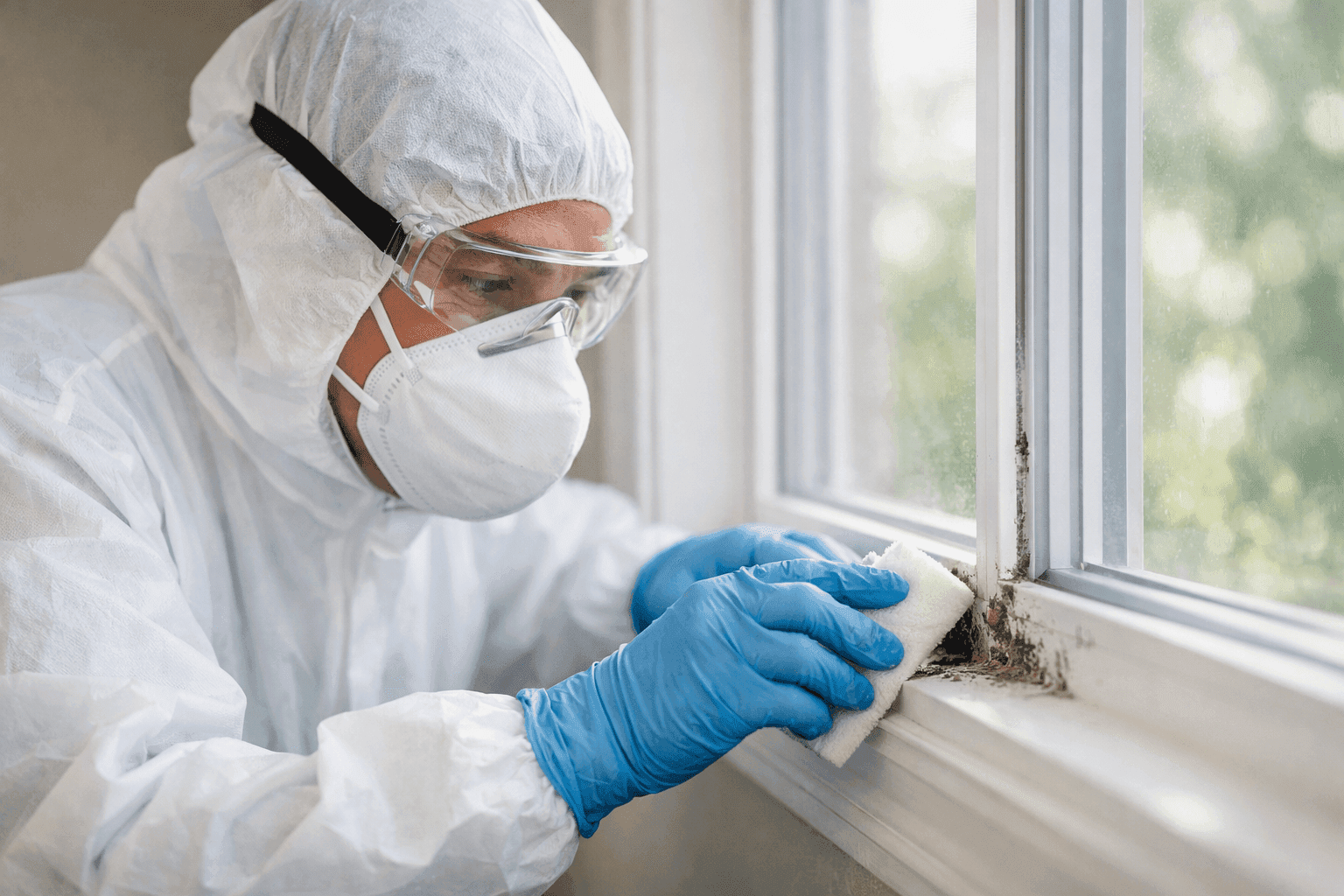
Is there a musty smell lingering near your windows? Or maybe you’ve noticed black spots creeping along the frame? Mold isn’t just unsightly—it’s a warning sign. It sneaks in quietly, growing where moisture meets still air. For families, homeowners, and anyone who values a healthy home, knowing how to remove and prevent window mold is essential.
At Champion Windows, we’ve seen how quickly mold can go from a minor annoyance to a full-blown problem. As a trusted windows_contractor, we help homeowners just like you protect their homes and their peace of mind. Here’s your guide to understanding, tackling, and stopping mold—before it takes over.
Why Mold Forms on Windows 🪟
Window frames are like crossroads for air and moisture. When warm indoor air meets cold glass, condensation forms. This water has nowhere to go, especially if your windows aren’t properly sealed or your home has poor ventilation.
Wood frames soak up moisture like a sponge. Vinyl or aluminum frames might resist absorption, but even they can harbor mold in corners and seals. Dust, pollen, and organic debris feed mold spores, giving them a foothold. According to the U.S. Environmental Protection Agency (EPA), mold thrives in damp, poorly ventilated spaces—exactly what you’ll find around leaky, untreated, or aging windows.
Signs of Mold Growth
Mold is a master of disguise. Sometimes it’s obvious—a patch of fuzzy black or green smudges. Other times, it’s subtle. Here’s what to watch for:
- Black, green, or white spots on frames or caulking
- A persistent musty, earthy odor near windows
- Peeling paint or bubbling finishes on wood frames
- Allergies or respiratory symptoms that worsen indoors
If you spot these signs, don’t ignore them. Mold doesn’t go away on its own.
Safe Mold Removal Steps
Before you grab a sponge, pause. Mold cleanup is serious business. Protect yourself and limit its spread:
- Wear gloves, an N95 mask, and eye protection.
- Open windows if possible to ventilate the area.
- Seal off nearby vents or doors with plastic sheeting to prevent spores from drifting.
Cleaning solutions:
- For small patches, use a mix of detergent and water or a solution of one cup of bleach in one gallon of water (never mix bleach with ammonia).
- Scrub gently with a stiff brush. Rinse and dry the area thoroughly.
- For wood, avoid soaking—use a damp cloth, not a soaking wet one.
If you have asthma, allergies, or the mold covers a large area (bigger than a standard bath towel), call in a pro. Mold on window sills can be a sign of a deeper issue inside the wall or window assembly.
DIY or Call a Pro? When to Get Help
It’s tempting to tackle mold yourself, but sometimes the problem runs deeper. If you see:
- Mold returning after repeated cleanings
- Soft, crumbling, or rotten wood
- Signs of water leaks or condensation inside walls
It’s time to call a professional windows_contractor. Mold can hide behind frames, inside walls, or in insulation. A pro can safely remove contaminated materials and fix the underlying moisture problem. If you’re searching for Window Lock Installation near you, Champion Windows can provide both security and health-focused solutions.
What Pros Do on Arrival
A trained technician doesn’t just wipe away surface mold. Here’s what to expect:
- Inspection of window frames, caulking, and surrounding walls
- Moisture readings to find hidden leaks
- Removal of contaminated materials, when necessary
- Application of antimicrobial treatments
- Sealing and re-caulking to prevent future leaks
They also recommend upgrades—like energy-efficient windows, better ventilation, or weatherstripping—to reduce future risks.
Quick Safety Checklist
- Never mix cleaning products (especially bleach and ammonia)
- Wear protective gear at all times
- Keep kids and pets away during cleanup
- Dispose of cleaning materials in sealed bags
Your safety comes first. Mold spores can trigger allergies and asthma, so minimize exposure.
Preventing Mold Recurrence 🌬️
Mold loves moisture and darkness. Take away its favorite conditions, and you stop it in its tracks:
- Use exhaust fans in bathrooms and kitchens
- Open blinds and curtains to let in sunlight
- Wipe away condensation when you see it
- Inspect and reseal window caulking annually
Upgrade to double-pane or energy-efficient windows to reduce condensation. If you notice persistent leaks, consider professional Window Lock Installation or frame repair from Champion Windows.
Improving Ventilation and Sealing
Fresh air is your best friend. Crack open windows on dry days. Install trickle vents or use dehumidifiers in damp rooms. Check for gaps in caulking and weatherstripping each season—tiny openings can let in moisture, leading to recurring mold.
The U.S. Department of Housing and Urban Development recommends regular window inspections as part of a healthy home maintenance plan.
Common Mistakes to Avoid
- Ignoring small patches—mold spreads quickly
- Painting over mold instead of cleaning it
- Using harsh chemicals on delicate wood finishes
- Delaying repairs on leaks or cracked frames
A little prevention saves a lot of trouble (and expense) down the road.
Costs and Time Factors
DIY mold removal for a single window can take an hour or two. Professional remediation is pricier, especially if walls or insulation are affected. The good news? Regular window maintenance keeps costs manageable. Champion Windows offers affordable window maintenance plans to help keep your home safe and sound.
When It’s an Emergency
Mold is always urgent, but call for immediate help if:
- Mold covers a large area
- You or a family member have health issues worsened by indoor air quality
- There are signs of structural damage or active leaks
Don’t wait—your health and home are worth protecting.
FAQ: Mold on Window Frames
Q: Can mold on windows make my family sick?
A: Yes. Mold spores can worsen asthma, allergies, and other respiratory conditions, especially in children and seniors.
Q: What’s the best way to prevent it?
A: Keep windows dry, repair leaks quickly, and ensure good airflow.
Q: Should I replace moldy windows?
A: Sometimes. If damage is severe or mold keeps coming back, replacement may be the safest option.
Timeline and Disruption
Most window mold removal projects are quick—often done in a day. Larger issues, especially those involving wall repairs or full window frame replacements, might take longer. Expect some disruption, especially if professionals need to contain spores or remove damaged materials.
Seasonal Considerations
Mold thrives in humid summers and during wet winters. Check your windows each season—especially after a storm or a cold snap. Spring and fall are perfect times for deep cleaning and resealing.
Materials and Equipment You’ll Need
- N95 mask, gloves, and goggles
- Stiff brush and microfiber cloths
- Detergent, bleach, or EPA-registered mold cleaner
- Plastic sheeting and painter’s tape for containment
- Dehumidifier or fan for drying
Keeping these supplies on hand makes it easier to respond quickly when you spot the first signs of trouble.
Protect Your Home and Health
Your home should be a safe haven, not a source of worry. Mold on window frames is common—but preventable. With the right know-how and a solid maintenance routine, you can keep your family safe and your windows beautiful year-round.
For windows_contractor services or Window Lock Installation in your area—including windows_contractor specialists in Washington, DC—Champion Windows is here to help.
Call Champion Windows now — or reach us anytime at 855-502-8869 .