How to Remove and Replace Damaged Window Glass Safely
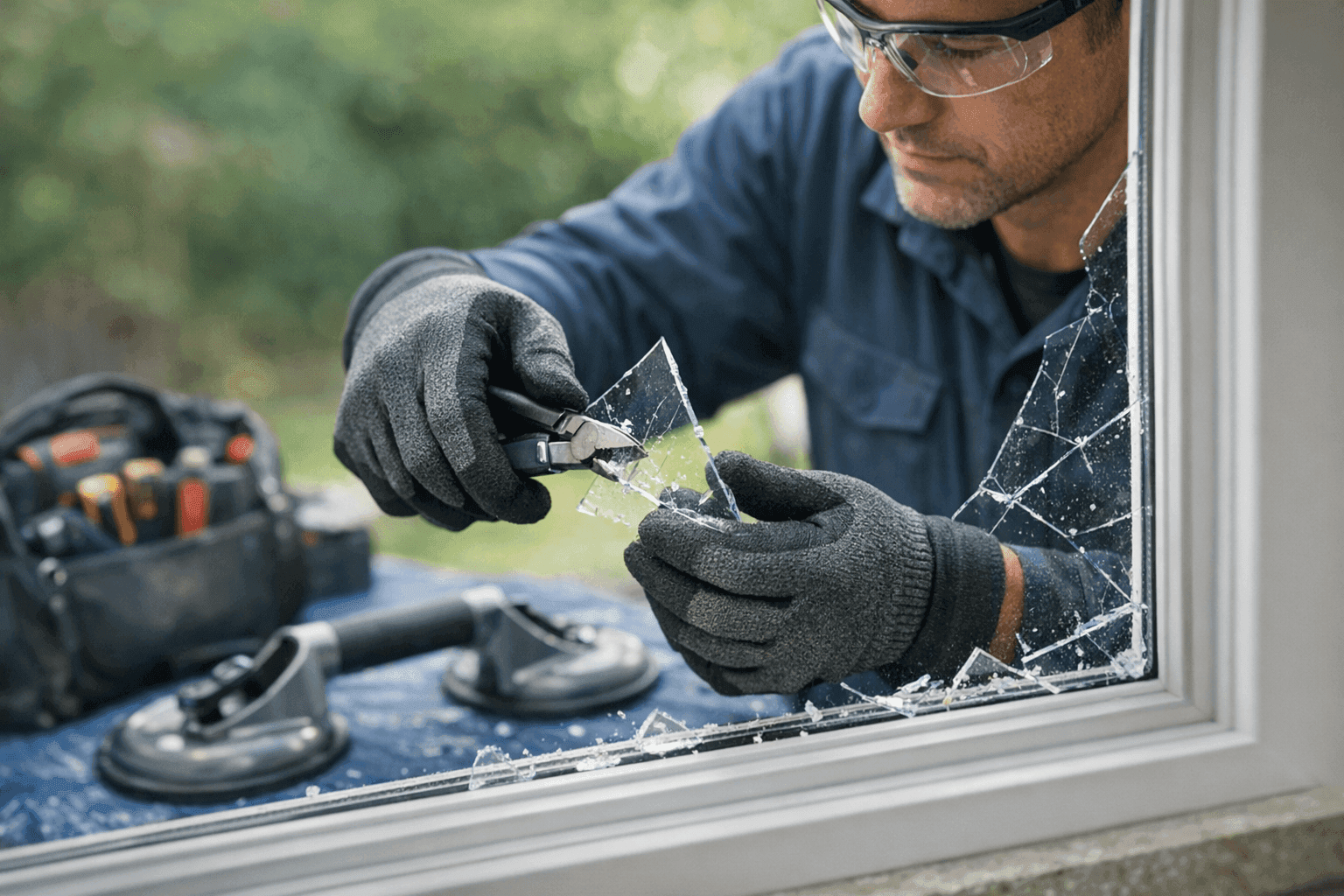
Is there a crack zig-zagging through your window, or—worse—a jagged hole letting in wind and rain? Damaged window glass is more than a cosmetic issue. It’s a safety hazard, an energy-waster, and an open invitation to the elements.
At Champion Windows, we understand the stress and urgency that comes with a broken window. Whether you’re dealing with a stray baseball, a surprise storm, or the slow march of time, we’re here to help you fix the issue safely and efficiently.
Safety First When Handling Glass 🧤
Before you even think about touching that glass, pause. Handling broken window panes is not like tidying up a dropped plate—shards can be razor-sharp, and old glazing can crumble like stale bread.
Essentials for Safe Handling:
- Heavy-duty gloves (cut-resistant, not just gardening gloves)
- Safety glasses or goggles
- Long sleeves and sturdy pants
- Closed-toe shoes
Prep Your Workspace:
- Clear the area of kids, pets, and anything breakable
- Lay down a tarp or thick drop cloth to catch stray shards
- Keep your tools within arm’s reach, but away from the edge
Even if you’re a seasoned DIYer, take a moment to review OSHA’s residential construction guidelines for working with glass. Safety isn’t just for the pros—it’s for everyone.
Removing Broken Glass
Imagine the tension of plucking porcupine quills, one by one. That’s what removing broken glass is like: slow, careful, and never rushed.
Tools You’ll Need:
- Flathead screwdriver or putty knife
- Needle-nose pliers
- Painter’s tape or duct tape
- Utility knife
- Small pry bar (optional)
- Stiff brush and dustpan
Step-by-Step:
- Tape the Glass: Place strips of tape over the cracks. This keeps fragments from tumbling as you work.
- Remove Large Pieces: Gently wiggle loose shards free, one at a time, using gloves and pliers.
- Score and Remove Glazing: Use your utility knife to slice through old caulk or putty. Pry gently with a putty knife.
- Extract Remaining Pieces: For stubborn bits, a small pry bar can help—but never force the glass. Patience wins.
- Clean the Frame: Brush out any debris, old putty, or glass dust.
Tip: If the glass is shattered into many small pieces, work from the top down and dispose of sections as you go.
Preparing and Installing New Glass
Replacing window glass is a bit like fitting a puzzle piece—except the puzzle keeps out the rain.
Measuring for Success
Measure the opening twice, then twice again. You want the new pane to sit snugly, but not so tight it cracks under pressure.
- Width: Measure left to right at the top, middle, and bottom. Use the smallest number.
- Height: Measure up and down at left, center, and right. Again, take the smallest reading.
- Subtract 1/8 inch from both width and height to allow for expansion and ease of installation.
Fitting the Glass
- Dry-fit your glass in the opening before sealing.
- Apply fresh glazing compound or caulk along the frame edge.
- Gently press the new pane into place.
- Secure with glazing points or clips, spaced every 6 inches.
- Smooth a bead of glazing compound over the edges to seal.
Let everything cure as per the manufacturer’s instructions. Don’t rush—good things (and sealed windows) take time.
Disposal of Old Glass ♻️
Broken glass isn’t just trash—it’s a hazard for sanitation workers and the environment.
Eco-Friendly Disposal Tips:
- Wrap shards in several layers of newspaper or thick paper bags.
- Mark the package as “broken glass” before placing it in trash bins.
- For large amounts, call your local recycling center and ask about glass recycling options.
- Never leave loose shards or piles at the curb.
Some municipalities have special drop-off locations for construction glass—check your local guidelines.
Quick Safety Checklist
- Gloves on? Check.
- Eye protection? Check.
- Work area cleared? Check.
- Tools ready? Check.
- Emergency contacts handy? (Just in case.)
If you’re ever unsure, pause. There’s no shame in calling a professional windows_contractor for help.
DIY or Call a Pro?
Some repairs are like fixing a squeaky hinge—anyone with a screwdriver and patience can manage. But window glass? That’s closer to dental work: precise, delicate, and not for everyone.
DIY If:
- The pane is small (single window, not a large picture window)
- You have basic tools and steady hands
- The frame is in good shape
Call a Pro If:
- The damage is extensive or double-pane insulated glass
- The window is high up or tricky to reach
- You’re worried about lead paint or asbestos in older homes
Remember, a pro can handle specialty services like Window Lock Installation.
What Pros Do On Arrival
When Champion Windows steps on site, safety is our first tool out of the box. We’ll assess the damage, secure the area, and use industry-standard methods to remove, replace, and seal your glass.
Our team checks for frame damage, recommends upgrades (like energy-efficient panes), and ensures your home is left cleaner than we found it. We follow building codes and best practices from the National Glass Association.
Prevention & Maintenance
A little care now can save a headache (and a handful of broken glass) later.
- Inspect windows each season for cracks or worn seals.
- Clean tracks and sills to prevent binding or pressure points.
- Re-caulk or reseal edges every few years.
- Schedule periodic window inspections with your local windows_contractor specialists for peace of mind.
Costs & Time Factors
Replacing a single pane can take anywhere from 30 minutes to two hours, depending on the size and accessibility. Materials are usually affordable, but labor for larger or specialty windows may be higher.
Budget for:
- New glass pane(s)
- Glazing compound or caulk
- Fasteners (glazing points or clips)
- Disposal fees (in some areas)
When It’s an Emergency
A shattered window during a storm, break-in, or accident calls for quick action.
- Safely cover the opening with heavy plastic or plywood.
- Keep the area clear of foot traffic.
- Contact Champion Windows for emergency repairs—we respond fast to secure your home.
Seasonal Considerations
Extreme temperatures can make panes more brittle, and caulk may not cure properly in freezing weather.
- Schedule repairs during mild weather if possible.
- Allow extra curing time for compounds in cold or humid conditions.
- Use temporary weatherproofing (plastic film, foam strips) if you must wait for a full replacement.
Common Mistakes
- Rushing and skipping safety gear
- Measuring the old glass instead of the frame opening
- Using too much or too little glazing compound
- Failing to check for hidden frame damage
Patience and precision pay off—like threading a needle, not swinging a hammer.
Signs of Trouble
Sometimes, the signs are subtle: condensation between panes, stubborn sashes, or unexplained drafts. Don’t ignore them. Early intervention saves money and stress.
Timeline & Disruption
Most single-pane replacements are completed the same day. For specialty glass or custom orders, allow extra time. Your daily routine shouldn’t be upended—pro installers clean as they go and minimize disruption.
Materials & Equipment
- Glass cutter (for custom cuts)
- Glazing compound or silicone caulk
- Replacement glass
- Glazing points or clips
- Putty knife, utility knife, pliers, brush
Quality materials lead to quality results. Don’t skimp on the basics.
FAQ: Window Glass Replacement
Q: Can I reuse old glazing compound?
A: Always use fresh compound for a secure, long-lasting seal.
Q: What if my window uses insulated (double-glazed) units?
A: These require professional replacement—call a windows_contractor for best results.
Q: How do I know if my frame is damaged?
A: Look for soft, cracked, or warped wood, or rust on metal frames. If in doubt, have it inspected.
Final Thoughts
Fixing broken window glass is more than a repair—it’s an investment in your home’s safety, comfort, and value. Whether you’re a determined DIYer or you’d rather leave it to the pros, Champion Windows is here to help.
Call Champion Windows now — or reach us anytime at 855-502-8869 .