How to Remove and Replace Window Caulk for a Perfect Seal
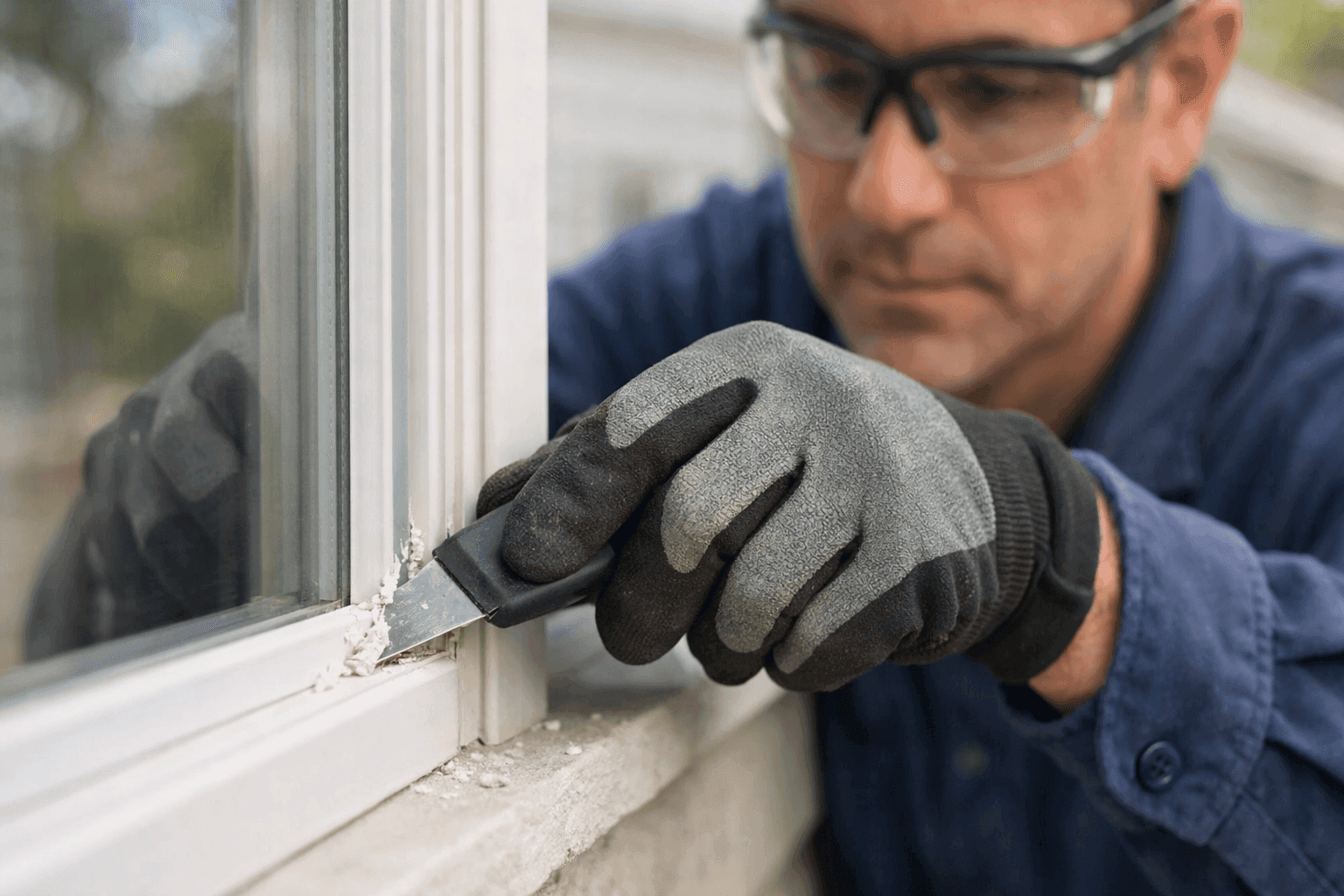
Windows are like the eyes of your home. When they're sealed tight, they keep out drafts, moisture, and even street noise. But over time, window caulk can crack, peel, or pull away, letting in the very things it's meant to block.
At Champion Windows, we know a perfect seal isn’t just about looks—it’s about energy savings, comfort, and long-term protection. If you’ve spotted gaps or worn-out caulk on your windows, it’s time to act.
Why Caulk Matters 🏡
Window caulk is more than a finishing touch. It’s your first defense against the elements. Think of it as the line where your home shakes hands with the outdoors. When that line breaks, problems creep in:
- Energy efficiency: Gaps let out warm air in winter and cool air in summer, making your HVAC work harder (and your bills higher).
- Water protection: Even the smallest leak can mean big trouble—mold, rot, and ruined window frames.
- Pest defense: Tiny cracks are open invitations for ants, spiders, and other uninvited guests.
The U.S. Department of Energy highlights window sealing as a top way to reduce energy waste. A well-caulked window keeps your home cozy and wallet happy.
Spotting the Signs: When to Replace Window Caulk
Not sure if your caulk needs replacing? Here’s what to look for:
- Cracks, splits, or gaps along the edges
- Caulk pulling away from the frame or siding
- Visible mold or mildew
- Peeling or brittleness to the touch
- Water stains or drafts near the window
If any of these sound familiar, it’s time for some attention.
Quick Safety Checklist Before You Start ⚠️
Before you grab your tools, let’s talk safety:
- Wear gloves to protect your hands from old caulk and sharp tools.
- Use safety glasses if scraping or cutting.
- Work in a well-ventilated area—some caulk removers or solvents have strong fumes.
- Keep tools away from children and pets.
Prepare your work zone just as carefully as you’d prep for painting or repairs. A little caution goes a long way.
Gathering the Right Tools & Materials
Having the right gear makes the job smoother. Here’s your toolkit:
- Utility knife or caulk removal tool
- Putty knife or small scraper
- Rags or paper towels
- Mild cleaner (like dish soap and water)
- Painter’s tape (optional for crisp lines)
- High-quality exterior caulk (silicone or polyurethane recommended)
- Caulking gun
- Bucket for debris
At Champion Windows, we use only professional-grade materials for every window caulking and Window Lock Installation.
Removing Old Caulk: Step-by-Step
Taking out the old caulk is the most important part—think of it as clearing the way for a fresh start.
- Score the old caulk with your utility knife along both edges.
- Lift and peel: Use a putty knife or scraper to pry up a corner, then gently pull away the strip. Work slowly to avoid damaging the window frame.
- Remove residue: Scrape away any leftover bits. If needed, use a caulk remover gel, letting it sit as directed.
- Clean thoroughly: Wipe down the area with a damp rag and let it dry completely.
Don’t rush this step. Any old residue left behind can stop the new caulk from sticking.
Prepping and Applying New Caulk
Preparation is everything. Clean, dry surfaces help caulk stick—and stay put.
- Ensure the window frame is dry and dust-free. Moisture is the enemy of a tight seal.
- Tape it up: If you want razor-sharp lines, apply painter’s tape on both sides of the seam.
- Load the caulk gun: Cut the nozzle at a 45-degree angle for better control. Puncture the seal inside the tube.
Now, you’re ready to apply:
- Apply steady pressure on the caulk gun trigger as you move smoothly along the seam.
- Keep it continuous: A steady bead is stronger and looks cleaner than a stop-and-start line.
- Smooth it out: Use a wet finger or caulk finishing tool to flatten the bead gently into the seam.
Patience is key—take your time for a result that lasts.
Tips for a Professional Finish ✨
Even if it’s your first time, you can get close to pro-level results:
- Don’t over-apply. Too much caulk is messy and wastes product.
- Work in sections. Focus on one window at a time.
- Clean up as you go. Wipe away excess before it dries.
- Smooth the bead immediately. Don’t let it sit and skin over.
- Remove painter’s tape while the caulk is still wet for crisp edges.
Pro contractors like Champion Windows rely on these simple habits for beautiful, durable seals.
How a windows_contractor Company Does It Differently
A professional windows_contractor company brings more than just tools:
- Material expertise: Choosing the right caulk for your climate and window type.
- Precision application: Years of experience mean fewer mistakes and longer-lasting results.
- Inspection: Pros spot hidden damage, like wood rot or frame issues, before they become big problems.
Want to see the difference? Our windows_contractor specialists are trained to get every detail right.
Common Mistakes—and How to Avoid Them
DIYers often fall into a few traps:
- Skipping prep: Dirty or damp surfaces lead to peeling.
- Using the wrong caulk: Interior caulk outside? It’ll crack and fail.
- Too thick or too thin: Aim for a bead about the width of a pencil.
- Not smoothing: Lumpy lines won’t seal well and collect dirt.
If you’re unsure, call a pro. Some things are worth getting right the first time.
Seasonal Considerations: Best Time to Caulk
Timing matters. For best results:
- Choose dry weather: Caulk needs time to cure—rain will ruin your hard work.
- Avoid extreme cold or heat: Most caulk sets best between 40–80°F (check the label).
- Spring and fall are ideal for most regions.
Prevention & Maintenance
A little attention each year goes a long way:
- Inspect annually: Look for cracks or gaps each spring and fall.
- Clean window frames: Dirt and debris break down caulk faster.
- Schedule repairs quickly: Small issues become big ones if ignored.
Champion Windows offers window maintenance plans to keep your home protected.
Timeline & Disruption: What to Expect
Most homeowners can re-caulk a single window in under an hour, once old material is removed. For a full home, plan for a weekend project. Professionals work faster, with less mess and disruption.
DIY vs. Call a Pro
Some folks love a hands-on project. Others want peace of mind. Here’s when you might call a professional:
- Multiple windows or large windows
- Second-story or hard-to-reach spots
- Persistent leaks or water stains
- Visible mold or rot
When in doubt, a windows_contractor can assess and recommend the best fix.
FAQs About Window Caulking
How long does window caulk last?
Most exterior caulks last 5-10 years under normal conditions.
Can I paint over caulk?
Yes—if you use paintable caulk. Check the tube before you buy.
Is caulking part of code requirements?
Many local building codes require proper window sealing for energy efficiency and moisture control. Check your city’s regulations or ask a licensed pro.
Signs You Need More Than Just Caulking
Sometimes, caulk isn’t the only issue. Watch for:
- Soft, warped, or stained window frames
- Persistent condensation between glass panes
- Difficulty locking or closing windows
These may signal deeper problems—like the need for window repair or Window Lock Installation.
Materials Pros Trust
Professional results start with professional materials:
- 100% silicone or high-performance polyurethane caulks for exterior use
- Stainless steel or rust-resistant tools
- Weather-resistant painter’s tape
We choose what works best for your window type and climate.
When It’s an Emergency
If you spot water pouring in during a storm or major drafts in the dead of winter, don’t wait. Temporary patching is okay, but schedule a permanent fix fast. Emergency window services are available for urgent needs.
The Champion Windows Difference
At Champion Windows, we treat every home like our own. Our team uses proven techniques to deliver a perfect seal, every time. Whether it’s routine maintenance or urgent repairs, you’ll feel the difference in every room.
Call Champion Windows now — or reach us anytime at 855-502-8869 .