How to Repair and Adjust Window Balances for Smooth Operation
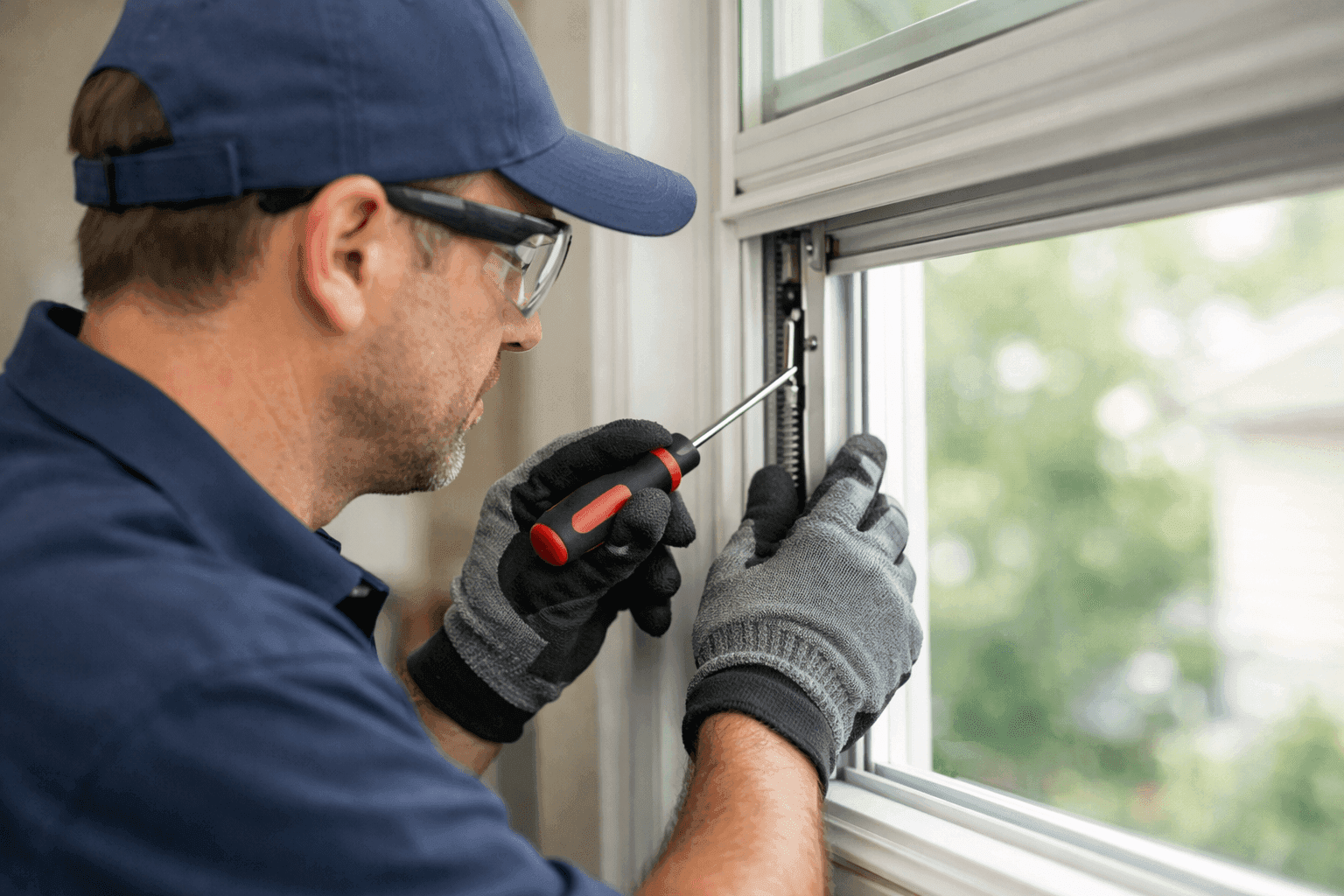
Windows should feel effortless. When you lift them, they ought to stay put—never slamming, never sliding down unexpectedly. But when window balances fail, frustration follows fast. Champion Windows understands the urgency. A jammed or unsafe window isn’t just annoying; it can be a real safety risk for your family.
Our team of seasoned windows_contractor specialists has tackled every window scenario you can imagine. If your window won’t cooperate, you’re not alone—and help is at hand. This guide will walk you through the process of understanding, diagnosing, and fixing window balances, step by step.
What Are Window Balances? 🪟
Window balances are the unsung heroes inside your window frames. Think of them as the counterweights or springs that help you lift your window sash smoothly and hold it in place. When they work, you barely notice them—only the easy, weightless feeling as you open or close the window.
There are a few main types:
- Spiral balances: Look like tightly wound springs inside a tube. Common in older and some modern windows.
- Block and tackle balances: Use a combination of cords and pulleys. Reliable and found in many newer double-hung windows.
- Other types: Constant force, coil, and even custom designs—each suited to specific window models.
Each style does the same core job: balancing the weight of the sash so you don’t have to wrestle with it.
Signs of Balance Failure
How do you know your balances are struggling? Watch for these red flags:
- The window won’t stay open—it slides down as if pulled by gravity.
- You hear a sharp bang as the window slams shut.
- The sash feels heavier than usual, or is hard to lift.
- Sometimes you’ll hear rattling, or feel the window shift awkwardly in its track.
These are clear signals the balance system is either worn out, detached, or broken.
Quick Safety Checklist Before You Start 🛠️
Before diving in, safety comes first. Windows are heavy, glass can break, and balances are under tension.
- Wear gloves and eye protection.
- Clear your work area: Remove curtains, blinds, or obstructions.
- Work with a partner: Especially for oversized windows.
- Have the right tools: Screwdrivers, pliers, step ladder, and any manufacturer-recommended gear.
- Check local codes: Refer to resources like the International Residential Code (IRC) for window egress and safety standards.
Tools You’ll Need
Gather these basics before starting:
- Flathead and Phillips screwdrivers
- Needle-nose pliers
- Utility knife (for paint or caulk)
- Replacement balances (if needed)
- Lubricant (silicone spray, not oil-based)
- Tape measure
Step-by-Step: How to Repair and Adjust Window Balances
Every window is a little different, but the process usually looks like this:
1. Remove the Sash
- Unlock the window and raise it.
- For tilt windows, release the tilt latches and tilt the sash inward.
- Carefully lift one side, then the other, to free the sash from the frame.
2. Inspect the Balances
Look for broken cords, springs, or visible wear. Spiral balances may show rust or lose tension. Block and tackle types may have frayed cords.
3. Adjust or Repair
- Spiral balances: Use a spiral balance tool to wind or unwind the spiral, restoring tension. Usually, 2–3 extra turns are enough.
- Block and tackle: Replace broken cords or pulleys as needed. Sometimes, simply reattaching a loose balance solves the issue.
4. Reinstall the Sash
- Carefully position the sash back into the frame.
- Test the window’s operation—open, close, and tilt if possible.
- Repeat adjustments as needed for smooth movement.
5. Lubricate and Seal
- Lightly spray silicone lubricant on moving parts.
- Check weatherstripping and caulking for gaps or damage.
When to Replace Window Balances
Not every balance can be saved. Here’s when it’s time to install new ones:
- The balance is bent, rusted, or missing parts.
- The sash won’t stay up, no matter how much you adjust.
- Your window is more than 20 years old and the hardware is original.
- Multiple windows in your home show the same symptoms.
Old balances don’t just cause inconvenience—they can be a safety hazard. If you’re unsure, it’s smart to consult a professional windows_contractor for an honest assessment.
DIY vs. Calling a Pro
Some repairs are DIY-friendly. Others are best left to pros, especially if:
- The window is large, heavy, or located above the first floor.
- You encounter unusual mechanisms or custom balances.
- Safety is a concern.
Champion Windows always uses quality parts and proven repair techniques. If you want peace of mind, or need help with Window Lock Installation, our team is ready.
What Pros Do on Arrival
When our crew arrives, here’s what you can expect:
- Careful inspection of your window’s make, model, and balance type.
- Precision removal and measurement for exact-fit replacements.
- Clean, tidy installation—no mess left behind.
- A full test of window function and safety features.
We treat your home like our own, using manufacturer-approved parts and up-to-date tools.
Prevention & Maintenance Tips
Extend the life of your window balances with these habits:
- Open and close windows gently—never slam.
- Lubricate tracks and moving parts twice a year.
- Schedule annual window inspections with a certified windows_contractor.
- Address drafts, leaks, or sticking windows early.
Consider our Window Maintenance Plans if you want regular, hassle-free care.
Common Mistakes to Avoid 🚫
- Forcing a stuck sash—it may shatter glass or bend the frame.
- Using the wrong tools, which can strip screws or damage hardware.
- Ignoring small problems until they become big, expensive repairs.
Patience pays off. If a step feels tricky, pause and review the manufacturer’s instructions.
Timeline & Disruption
A standard balance repair takes 30–90 minutes, depending on window type and location. Whole-house replacements? Plan for a half-day. Most repairs cause minimal disruption—just clear the area and you’ll be back to normal in no time.
Cost Factors
Balance repairs are often more affordable than full window replacement. Costs depend on:
- Balance type and availability
- Window size and accessibility
- Whether you need a pro or can DIY
Champion Windows provides transparent quotes for every job.
When It’s an Emergency
A failed balance isn’t always urgent, but it can be if:
- The window slams shut, creating a risk of injury.
- You need safe egress (emergency exit) from a bedroom window.
- Security is compromised—especially if paired with a broken lock.
For urgent windows_contractor services, our team is here to help.
Seasonal Considerations
Hot summers and frigid winters both affect window performance. Balances can contract, expand, or wear faster with temperature swings. Seasonal check-ups are a smart move—especially before storm season.
FAQs: Window Balance Edition
Q: Can I just lubricate my window if it’s sticky?
A: Sometimes, but if the window won’t stay open, the balance itself may be shot.
Q: How long do window balances last?
A: With regular use, 10–20 years is typical. Older homes may need upgrades sooner.
Q: Are window balances universal?
A: No. Measure carefully or consult a pro to match your window’s make and model.
Q: What if my window won’t tilt in?
A: Some don’t have tilt features. For non-tilt windows, removal is a bit more involved—ask for help if you’re unsure.
Final Thoughts: Keep Your Windows Safe and Smooth
Don’t let stubborn, unsafe windows slow down your home or put your loved ones at risk. Fixing window balances means more than comfort—it’s about safety, efficiency, and peace of mind. Champion Windows brings years of hands-on experience and only uses quality parts for every window repair.
Call Champion Windows now — or reach us anytime at 855-502-8869 .