Repair vs. Replace: Making the Right Window Decision
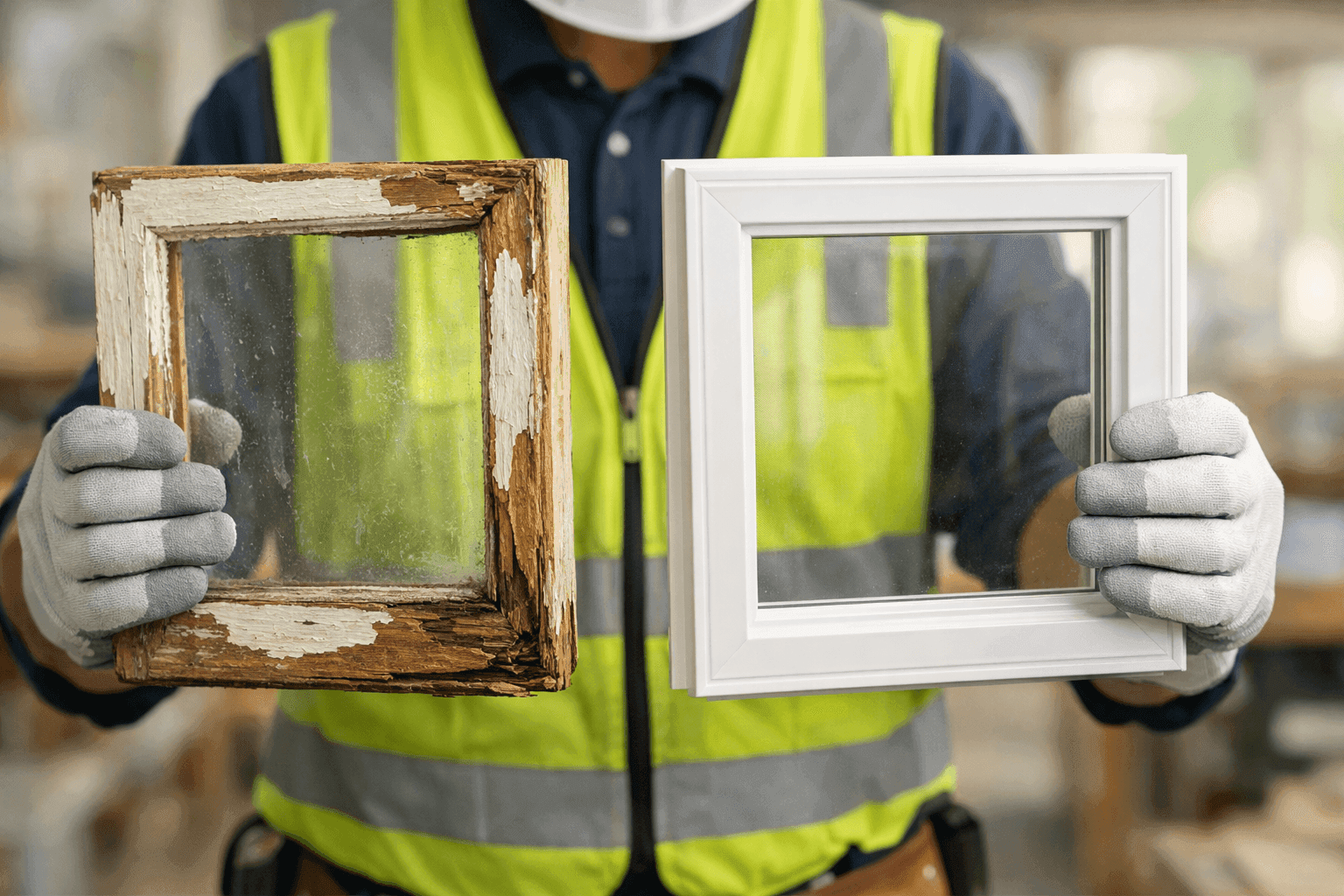
When a window cracks, sticks, or lets in a chilly draft, the decision hits fast: Fix it, or start over? At Champion Windows, we get it—windows are more than glass and frames. They’re peace of mind, energy savings, and curb appeal.
Homeowners face this fork in the road often. Ignoring the problem leads to higher bills, safety risks, and even property damage. But jumping to replace a window when a repair would do? That’s like tossing out your favorite jacket for a loose button. Let’s break down how to make the right call, with honesty and practical know-how from your go-to windows_contractor.
Signs a Window Can Be Repaired 🛠️
Not every flaw means it’s time for a full replacement. Sometimes, a skilled repair can turn back the clock.
- Minor Cracks or Chips: Small cracks in glass, especially away from edges, can often be filled or sealed.
- Drafts or Air Leaks: Caulking and weatherstripping can stop air leaks without new windows.
- Foggy Glass: Condensation between panes usually means the seal failed. Glass replacement is often possible without a full window swap.
- Sticky or Jammed Sashes: Cleaning, lubricating, or adjusting hardware can restore smooth movement.
- Loose Locks or Handles: Hardware replacement is quick and much cheaper than new windows.
- Peeling Paint or Minor Frame Damage: Sanding, repainting, or patching can bring back life to wooden frames.
Real-world example: A homeowner called us about a window that whistled on windy nights. Our inspection found just a worn-out seal and some missing caulk. A repair fixed it—no need for a new window.
When Replacement Is Best
Sometimes, patching up isn’t enough. Replacement becomes the smarter, safer investment.
- Rotting Frames: If wood is soft or crumbling, rot can spread. A new window is usually needed.
- Chronic Condensation: If seals keep failing or water stains appear inside, the whole unit may be compromised.
- Broken or Outdated Locks: If security is at risk, especially for ground-floor windows, upgrade to modern solutions.
- Energy Inefficiency: Single-pane or old aluminum windows can drive up energy bills. Upgrading to energy-efficient models pays off over time.
- Major Structural Damage: Warped frames, cracked sills, or shifting walls can mean the window won’t sit right, even after repairs.
- Code or Safety Issues: Egress windows (required in some bedrooms and basements) must meet local building codes. Sometimes, only a full replacement will comply.
Example: In one Rapid City home, water damage warped a basement window so badly it wouldn’t open for emergency exits. Replacement was the only safe choice.
Quick Safety Checklist
Before deciding, run through this list:
- Can you open and close the window easily?
- Are locks working and secure?
- Is glass intact, with no sharp cracks?
- Is there visible mold or rot?
- Any drafts or water leaks after rain?
If you answer “no” or spot trouble, call a windows_contractor for a closer look.
Weighing the Costs: Repair vs. Replace
Cost is always a factor—but think beyond the price tag.
- Repair: Quick repairs like new locks, seals, or glass panels can cost as little as a dinner out. Even complex fixes, like frame patching or hardware upgrades, are often a fraction of replacement.
- Replacement: New windows cost more upfront. But they can slash energy bills, boost home value, and last decades.
- Hidden Costs: Don’t forget potential water damage, mold remediation, or lost heating/cooling dollars if problems linger.
Tip: Factor in your window’s age. If it’s near the end of its typical lifespan (15–20 years for many models), replacement might be wiser long-term.
What Pros Do on Arrival
When you call a windows_contractor company, here’s what to expect:
- Thorough Inspection: We check glass, seals, frames, hardware, and weatherproofing.
- Testing: Open and close the window. Is it smooth? Secure?
- Moisture Check: Look for interior condensation, rot, or mold.
- Energy Audit: For older homes, we’ll assess thermal performance.
- Clear Report: You’ll get a breakdown of what needs fixing, what can wait, and what’s safest.
DIY vs. Call a Pro
Some fixes are truly DIY—think tightening a loose handle or replacing a screen. But for most repairs, calling a windows_contractor is safer and more effective. Glass work, frame restoration, and energy upgrades demand specialized tools and know-how. Plus, a pro will spot hidden issues that could haunt you later.
Safety Note: Never try to repair cracked or shattered glass yourself. Broken pieces can cause serious injuries.
Emergency Window Situations
Break-ins, storm damage, or shattered panes? That’s not the time for guesswork.
- Immediate Risks: Exposed interiors invite weather, pests, and security threats.
- First Steps: Cover broken areas with cardboard or plywood. Avoid touching jagged glass.
- Call for Emergency Window Services: Fast response prevents bigger problems.
Longevity and Maintenance
A well-maintained window can last 20 years or more. Here’s how to stretch your investment:
- Clean tracks and hardware regularly.
- Apply fresh caulk and weatherstripping each season.
- Schedule annual window inspections.
- Address small repairs early—tiny cracks can become big headaches.
Prevention & Seasonal Considerations
Spring and fall are prime times for window checks. Temperature swings can stress seals and frames. After major storms, inspect for leaks and drafts. In cold climates, look for frost inside—an early warning of insulation problems.
Common Mistakes to Avoid
- Ignoring Little Problems: Small leaks or sticky locks rarely fix themselves.
- DIY Overreach: Some repairs require permits or must meet building codes.
- Delaying Professional Help: Waiting can mean bigger bills later.
Timeline & Disruption: What to Expect
- Repairs: Most fixes are done in one visit, often within an hour or two.
- Replacement: Installing new windows can take several hours, especially for custom or specialty types. Expect some noise and dust, but professionals keep disruption minimal.
Materials and Equipment
Modern windows use everything from classic wood to high-tech composites. Repairs might involve:
- New glass panes
- Weatherstripping
- Caulk (silicone or latex, per ASTM standards)
- Stainless steel hardware
- Safety gloves and eye protection
Following guidelines from the International Residential Code (IRC) and Occupational Safety and Health Administration (OSHA) ensures repairs and replacements are safe and legal.
Window Energy Audits: When Efficiency Matters Most
If your energy bills seem out of control, a window energy audit can pinpoint if aging windows are to blame. Pros use thermal cameras and air-leak detectors to diagnose issues. Sometimes, minor upgrades do the trick; other times, window replacement is the clear answer.
The Bottom Line: When in Doubt, Get a Pro Assessment
Don’t let uncertainty become inaction. Whether you need a quick fix, a full window-replacement, or just peace of mind, Champion Windows is here to help. Our team treats your home like it’s our own—and we’ll never push a replacement you don’t need.
Call Champion Windows now — or reach us anytime at 855-502-8869 .