How to Replace Broken Window Latches and Locks
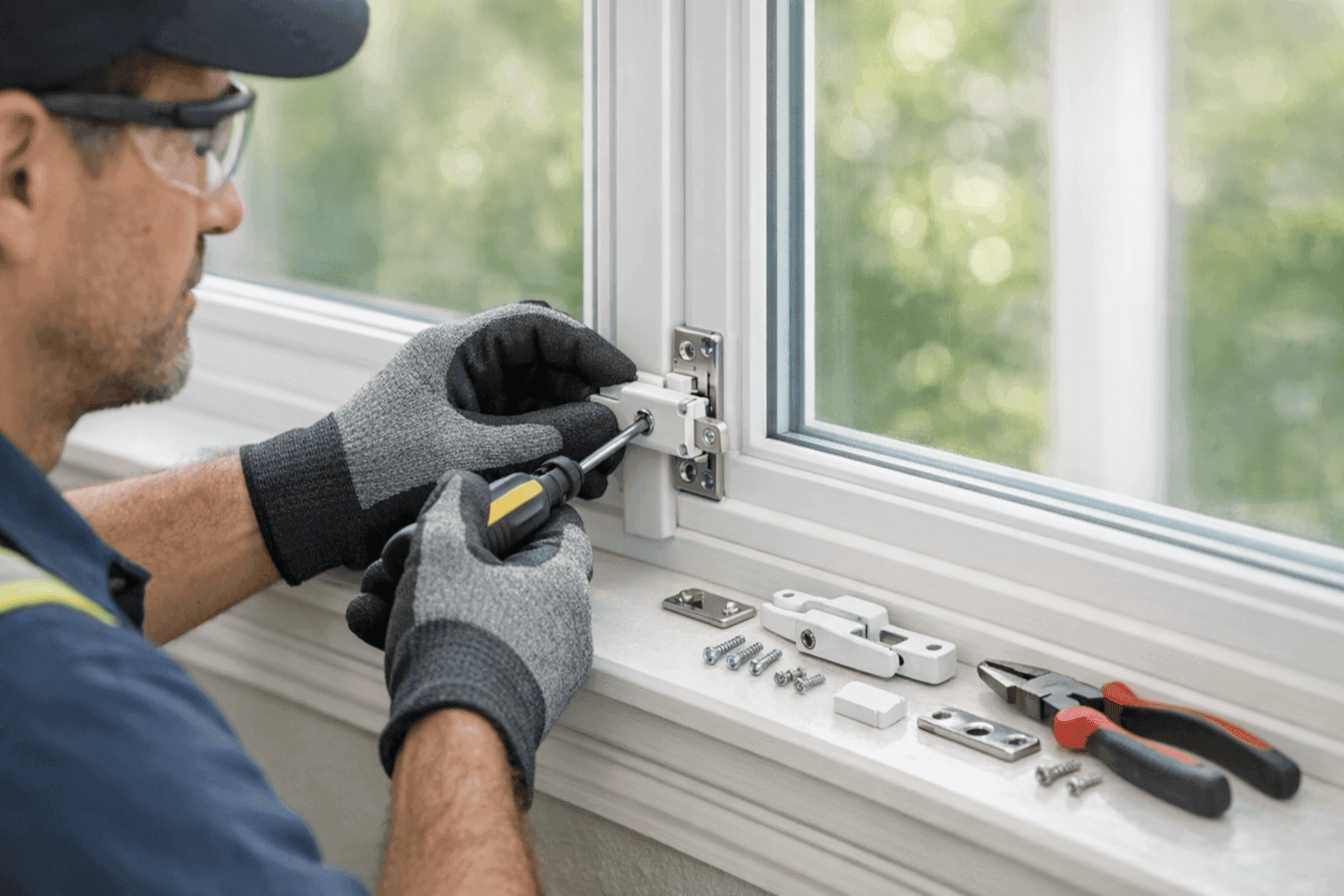
Is your window latch loose? Or maybe a lock just snapped off in your hand. Suddenly, what seemed secure feels exposed—and you can't shake that vulnerable feeling. You’re not alone. Every year, thousands of homeowners face the stress (and risk!) of worn or broken window hardware.
At Champion Windows, we've helped families just like yours restore confidence and comfort with reliable, professional window lock installation. If you’re wondering where to start or whether you need a pro, you’re in the right place.
Why Replace Window Locks and Latches? 🛡️
A faulty window latch is more than just a nuisance. It’s an open invitation. Here’s why acting fast is crucial:
- Security: Broken locks are a weak link for intruders. Even upstairs windows can be tempting targets.
- Function: A window that won’t close or stay latched can rattle in the wind or let in rain—leading to bigger repairs down the road.
- Insurance Compliance: Many insurers require working window locks. If you ever file a claim, missing or broken hardware can complicate things.
- Peace of Mind: You deserve to feel safe at home, every day.
Types of Window Latches and Locks
Not all window locks are created equal. Here’s a quick breakdown of the most common designs you’ll find in homes today:
- Keyed Locks: Operate with a key, adding a layer of security for ground-level or easily reachable windows.
- Lever Locks: Quick to operate—just flip or turn a lever. Popular on double-hung and casement windows.
- Childproof Locks: Specially designed to limit how far a window opens, helping prevent accidents.
- Sash Locks: Found on double-hung windows. Clamp the two sashes together for a tight seal.
- Sliding Window Latches: Secure the sliding pane, often with a catch or cam lock.
If you’re not sure what type you have, don’t sweat it! Take a close look at the mechanism or snap a photo before heading to the hardware store.
Quick Safety Checklist Before You Start
Before you get out the toolbox, a few smart steps:
- Inspect every window in your home—especially those on the first floor.
- Note any loose, missing, or stiff locks.
- Check for cracks in the frame or sash that might make repairs tricky.
- Make sure you have a safe, steady ladder if you need to reach higher windows.
- Keep children and pets clear of your work area.
Replacement Process: Step-by-Step
Replacing a window latch or lock isn’t rocket science—but precision matters. Here’s how you do it right:
Tools You’ll Need
- Flathead screwdriver
- Phillips screwdriver
- Replacement lock/latch (match style and size)
- Needle-nose pliers
- Measuring tape
- Pencil
Steps
- Remove the Old Lock:
Unscrew the existing lock carefully. Save the screws if they’re in good shape—some replacement kits don’t include new ones. - Clean the Surface:
Wipe away dust, old caulk, or paint chips. A clean surface ensures a tight fit. - Measure and Align:
Hold the new lock in place. Mark the screw holes with a pencil. Check that it aligns perfectly with the latch plate or catch. - Install the New Lock:
Drive in the screws gently. If you’re meeting resistance, back them out and try again to avoid stripping. - Test the Mechanism:
Open and close the window several times. The lock should engage smoothly—no gaps, no sticking.
Pro tip: If the new lock doesn’t fit snugly, don’t force it. Slight misalignments can signal a warped sash or frame, which may need repair.
When to Call a Pro
Some window lock issues are best left to professionals. Call Champion Windows if you notice:
- Persistent misalignment, even after several attempts.
- Cracked or rotting window frames.
- Custom or antique hardware you can’t source at a big-box store.
- Security upgrades (like keyed or multi-point locks) that require drilling or structural work.
- Any situation where the window won’t close fully.
Our experienced technicians use only quality hardware from trusted suppliers, ensuring lasting results. We’ve seen every scenario imaginable—and fixed it.
Common Mistakes to Avoid
A few missteps can turn a simple repair into a headache:
- Using the wrong screws: Too long, and you risk splitting the frame. Too short, and the lock may loosen over time.
- Skipping alignment checks: Even a small offset can keep the lock from catching.
- Forcing parts: Don’t muscle parts into place. If something won’t fit, there’s likely a deeper issue.
- Overtightening: This can strip threads or crack the sash.
How Pros Handle Window Lock Installation
A seasoned windows_contractor will:
- Inspect the window frame and sash for damage or warping.
- Recommend the best lock type for your window’s style and security needs.
- Use specialized tools for clean, precise installation.
- Test each lock for smooth operation and tight closure.
Want to see what that looks like in your area? Our windows_contractor specialists can walk you through every step in person.
What If It’s an Emergency?
If a lock fails during a storm, or you can’t secure a ground-level window, don’t wait. Temporary fixes (like a wooden dowel) are only stopgaps. Champion Windows offers emergency window services for urgent repairs—so you can sleep soundly again.
Prevention & Maintenance Tips
Proper care extends the life of your window locks:
- Lubricate moving parts twice a year with a silicone-based spray.
- Tighten loose screws each spring and fall.
- Keep tracks free of debris.
- Schedule annual window inspections to catch small issues before they grow.
According to the International Residential Code (IRC), all sleeping rooms require at least one operable window or exterior door for emergency escape. Keeping your locks in top shape isn’t just smart—it’s code.
Costs & Time Factors
Replacing a basic latch is quick—often under 20 minutes per window. More complex locks or repairs can take longer, especially if the sash or frame is damaged. Most replacement parts are affordable, but investing in quality hardware pays off in reliability and peace of mind.
Seasonal Considerations
Humidity and temperature swings can make window frames swell or contract. If a lock suddenly won’t engage after a heatwave or cold snap, don’t panic. Sometimes, waiting for milder weather helps. If issues persist, a pro can adjust or shim the hardware as needed.
Signs Your Lock Needs Replacement
Not sure if it’s time? Watch for:
- Wobbling or loose hardware
- Rust or visible corrosion
- Keys that no longer turn
- Latches that don’t “catch” or feel mushy
- Difficulty closing or opening the window
If you notice any of these, act sooner rather than later.
DIY vs. Professional Window Lock Installation
DIY is doable for basic latch swaps or visible hardware. But if you’re dealing with:
- Custom windows
- Structural damage
- Security upgrades
…it’s wise to call a windows_contractor. You’ll save time, avoid frustration, and ensure your home stays protected.
Window Lock FAQs
Q: Can I upgrade to a keyed lock myself?
A: If the window is wood or vinyl and you’re comfortable drilling, yes—but measure twice, drill once. For metal frames or multi-point locks, hire a pro.
Q: What’s the best lock for child safety?
A: Look for childproof window restrictors or vent locks. These allow ventilation without compromising safety.
Q: Should I replace all locks at once?
A: Ideally, yes. This ensures uniform security and operation throughout your home.
Timeline and Disruption
Most installations are minimally disruptive. Expect some light noise and brief access to your home’s interior. Our team works swiftly and respects your space, cleaning up thoroughly after each job.
Materials and Equipment
When you choose Champion Windows, you get:
- Durable, manufacturer-approved hardware
- Precision tools for a perfect fit
- Technicians who treat your home as their own
Every lock is installed to last—and to keep your family safe.
Final Thoughts
A broken window latch is more than an inconvenience. It’s a chink in your home’s armor. But with the right approach—and the right help—you can restore safety, comfort, and peace of mind.
Call Champion Windows now — or reach us anytime at 855-502-8869 .