How to Safely Remove Old Windows Before Installing New Ones
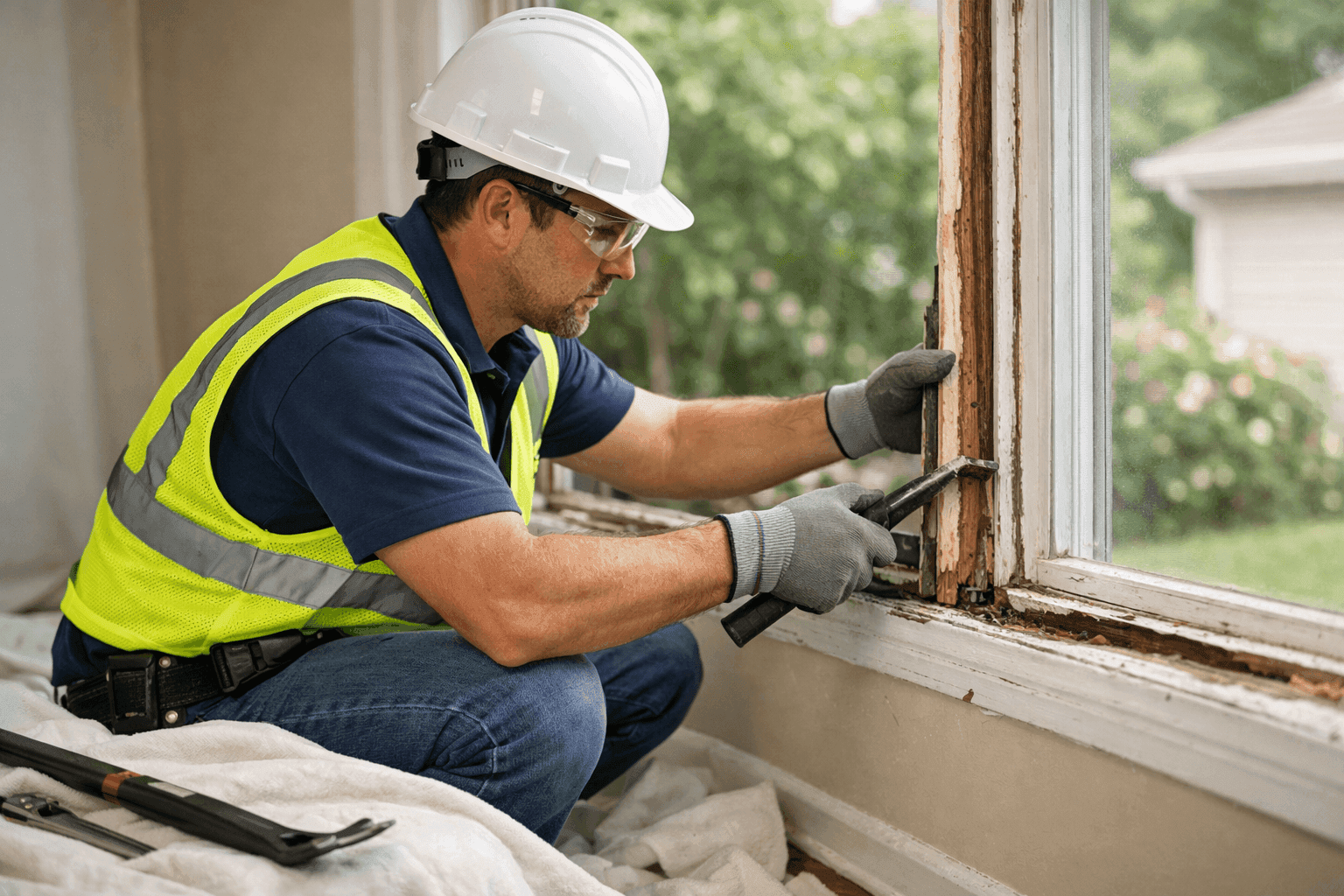
Replacing your old windows can feel like pulling up the roots of your home—delicate, risky, and loaded with hidden surprises. Yet, safe removal is essential before you can enjoy the benefits of modern, energy-efficient windows that keep your family comfortable and secure.
At Champion Windows, we know every nail and pane counts. That’s why we guide homeowners through careful removal—so you avoid injury, protect your investment, and pave the way for flawless new installation.
Why Safe Removal Matters 🛡️
You wouldn’t tear down a door with a sledgehammer if you could unlock it gently. The same goes for windows. Safe removal prevents:
- Injury: Old glass can shatter unexpectedly, and heavy frames may fall.
- Home Damage: Yanking too hard can splinter trim, drywall, or siding.
- Future Leaks: Rough removal may break the seal between your window and wall, letting in water or pests down the road.
The International Residential Code (IRC) and Occupational Safety and Health Administration (OSHA) both recommend proper protective methods and tools when handling demolition and removal. Slowing down is the fastest route to a safer, cleaner project.
Quick Safety Checklist Before You Begin
- Remove curtains, blinds, and furniture from the work area.
- Wear thick gloves, long sleeves, and safety glasses.
- Lay down drop cloths to catch debris and protect floors.
- Turn off security alarms connected to your windows.
- Keep pets and children out of the work zone.
Safety isn’t a luxury—it’s a necessity. One careless move can turn a home update into an emergency room visit.
Tools and Supplies Needed 🧰
You don’t need a truckload of gear, but a few essentials make all the difference:
- Heavy-duty work gloves
- Safety glasses or goggles
- Pry bar and putty knife
- Utility knife
- Hammer
- Cordless drill or screwdriver
- Drop cloths or old sheets
- Masking tape (for securing cracked glass)
- Reciprocating saw (for large or stubborn frames)
Having the right tools at arm’s reach is like having a first aid kit for your renovation—prevention goes a long way.
Step-by-Step Safe Removal
1. Prep the Area
Remove any window treatments and clear the space. Lay down your drop cloths to catch dust and glass shards.
2. Score Paint and Caulk
Use a utility knife to carefully cut through old paint or caulk around the window trim. This helps prevent tearing or splintering as you work.
3. Remove Stop Molding
Window stop moldings hold the sash in place. Gently pry them off with a putty knife or pry bar. If you plan to reuse them, label and set them aside.
4. Take Out the Sashes
For double-hung windows, tilt and lift out the lower sash first, then the upper. For casement or awning windows, unscrew hinges or support arms.
5. Score and Pry the Frame
Carefully score between the frame and wall. Use your pry bar to gently loosen the frame. Work slowly around the perimeter to avoid cracking the surrounding wall.
6. Remove the Window Frame
Once loosened, lift the frame out—preferably with a partner if it’s large or heavy. Watch for any remaining nails or screws.
7. Clean Up
Remove all debris, nails, and leftover caulk. Inspect the opening for rot, mold, or water damage before installing your new window.
DIY vs. Call a Pro
Some windows are like stubborn tree stumps—easy for a pro, risky for a DIYer. When should you call a licensed windows_contractor like Champion Windows?
- Lead Paint or Asbestos: Homes built before 1978 may contain hazardous materials. Certified removal is required.
- Multiple Stories: Upper floor windows risk falls and are harder to handle solo.
- Large or Custom Windows: Picture, bay, or bow windows are heavy and may require specialized equipment.
If you’re searching for "Window Lock Installation near you," our team is ready to help with safe removal and expert installation.
What the Pros Do On Arrival 👷
When Champion Windows arrives, we:
- Inspect for hazardous materials.
- Set up dust barriers and drop cloths.
- Use OSHA-approved safety equipment.
- Carefully document conditions for your peace of mind.
- Handle disposal according to local regulations.
Our team follows current EPA and IRC guidelines for safe, eco-friendly window removal—no shortcuts.
Common Mistakes to Avoid
- Forcing the frame: Can crack plaster or brick.
- Ignoring hidden nails: Can damage walls or injury hands.
- Skipping safety gear: Can result in eye injuries or cuts.
- Forgetting weather: Rain or snow can complicate removal and increase risk.
Think of window removal as surgery for your home: careful, methodical, and never rushed.
How Long Will It Take?
- Standard single or double-hung: 30–60 minutes per window.
- Large bay or bow windows: 1–2 hours.
- Whole house (8–12 windows): Plan a full day for safe, thorough work.
Unexpected issues—like rot or stubborn fasteners—can add time. Always allow extra in your schedule.
Costs & Time Factors 💰
DIY removal may seem cost-effective but can lead to expensive repairs if mistakes happen. Professional removal ranges from $50–$200 per window, depending on size and complexity. This often includes responsible disposal.
Responsible Disposal Options
After removal, don’t just dump your old windows by the curb. Instead:
- Recycle: Many frames (aluminum, vinyl, wood) and glass can be recycled. Check with your local recycling center.
- Donation: Habitat for Humanity Restore and similar organizations may accept reusable windows.
- Hazardous Waste: Lead-painted frames or putty require special handling—contact your local waste authority for guidelines.
Champion Windows practices eco-friendly disposal, keeping waste out of landfills whenever possible.
Seasonal Considerations
Plan your project for mild weather. Extreme cold or heat can make removal riskier and expose your home to the elements. If you must remove windows in winter or summer, prep materials to temporarily seal openings.
Signs of Trouble During Removal
- Unexpected rot or mold: Stop and address before proceeding.
- Broken glass: Carefully tape cracks before prying, and always wear gloves.
- Cracked framing: Consult a pro if you notice structural damage.
Remember, it’s safer to pause and reassess than to push through and risk bigger problems.
Timeline & Disruption
Removing and replacing one or two windows is a half-day project for most homes. Larger jobs may take a day or two. Expect some dust and noise, but a professional windows_contractor company will minimize disruption.
Emergency Window Removal
Storm damage, break-ins, or sudden failures require fast but careful removal. Secure the area, clear broken glass, and call professionals for urgent help.
Prevention & Maintenance
Regular inspection and maintenance—like caulking, sealing, and window lock installation—can extend the life of your windows and prevent emergency removals in the future.
Frequently Asked Questions
Q: Is it ever safe to reuse an old window frame?
A: Only if it’s free of rot, damage, and lead paint. Most new windows work best with new frames for energy efficiency.
Q: What should I do if I find mold or rot?
A: Stop removal. Mold or rot can weaken the structure and should be remediated before you install a new window.
Q: Can I remove windows in a historic home?
A: Consult your local building authority first—historic properties often have rules for window replacement and removal.
Q: Where can I find a reliable windows_contractor near me?
A: Champion Windows serves many areas. For example, if you’re looking for a reputable windows_contractor in Philadelphia, visit our windows_contractor specialists page for details.
Ready to make the switch to beautiful, safe, energy-efficient windows? Call Champion Windows now — or reach us anytime at 855-502-8869 .