How to Safely Remove and Replace Window Screens
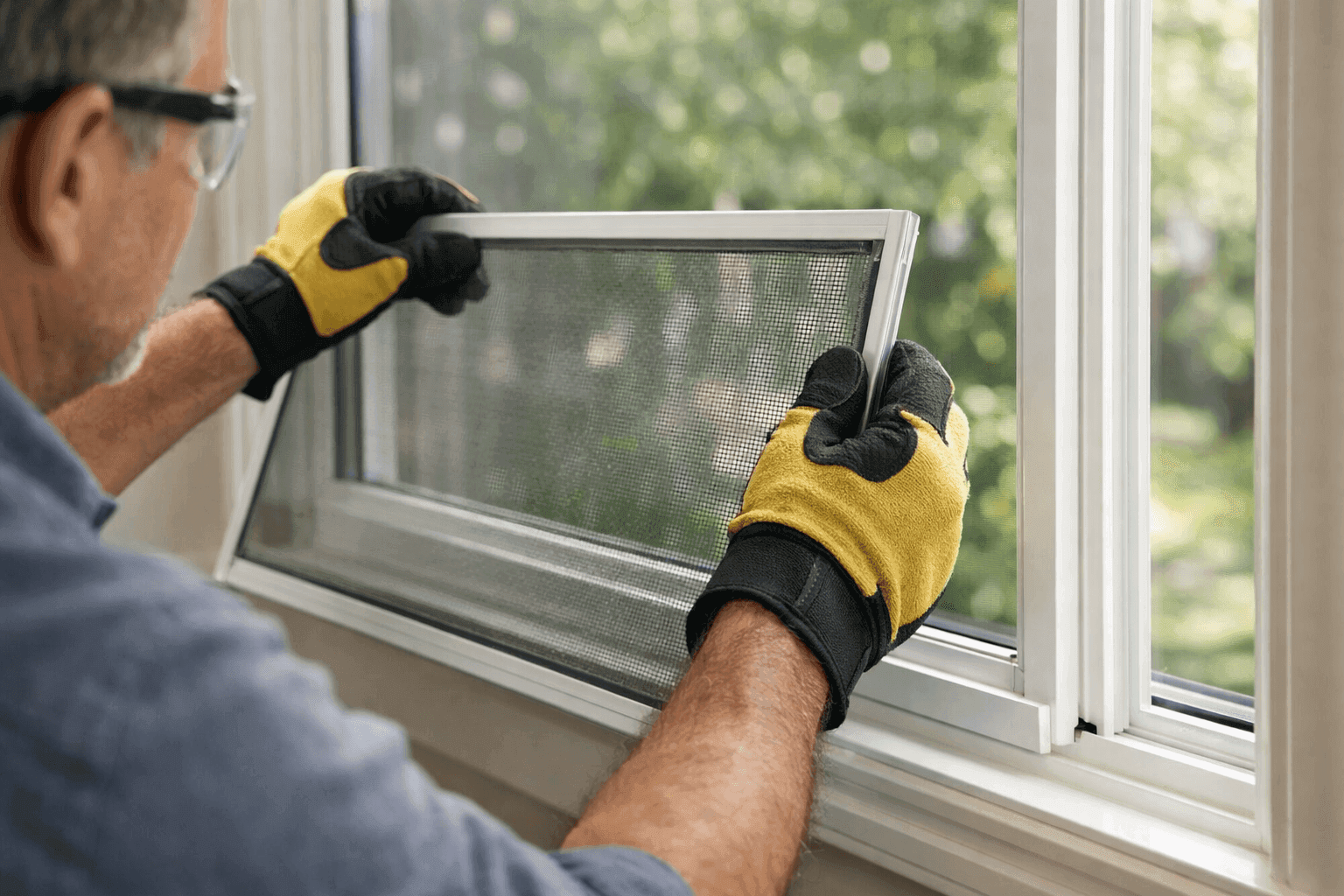
Have you ever stared at a dusty window screen and wondered how to get it out—without bending the frame or pinching your fingers? You’re not alone. Many homeowners face this moment each season, especially when spring cleaning or preparing for repairs. At Champion Windows, we know well-maintained screens are the unsung heroes of a comfortable, breezy home.
Handling window screens may look simple, but one wrong tug and you could end up with a warped frame or a torn mesh. That’s why, as your trusted windows_contractor, we’re sharing practical, step-by-step advice so you can keep your screens—and your windows—in top condition.
Why Remove and Replace Screens? 🪟
Screens aren’t just for keeping bugs out. They’re crucial for airflow, energy efficiency, and even security. Removing and replacing screens is necessary for:
- Deep cleaning—dust, pollen, and grime build up fast.
- Repairs—fix tears, bent frames, or broken locks.
- Upgrades—swap in new, energy-efficient or specialty screens.
Think of your screens like the filters in your car. When they get clogged or damaged, nothing flows the way it should.
Tools and Safety Tips
Before you dive in, gather your tools. For most window screens, you’ll need:
- A flathead screwdriver (for stubborn tabs)
- Gloves (to protect your hands)
- A clean towel or soft surface (for storing screens)
- A step stool or ladder for higher windows
Safety first: Always check for loose screens before pushing. Use gloves to avoid pinches or splinters. If your windows are above ground level, never lean out—use proper ladders and follow home safety guidelines from the National Safety Council.
Step-by-Step Screen Removal
Ready to get started? Here’s how to do it right:
- Unlock and Open the Window: Gently slide or lift your window open. For windows with locks, like those we service with our window-lock-installation, ensure all latches are disengaged.
- Locate the Release Tabs: Most screens have small tabs or plungers. Press inward or slide them to loosen the frame.
- Release the Screen: Using gentle pressure, push the screen frame slightly outward. For inward-removal screens, pull inward while supporting the frame.
- Lift and Angle: Once loose, tilt the screen sideways. This lets you maneuver it through the window opening without scraping the edges.
- Store Carefully: Place the screen on a soft towel. Avoid stacking heavy items on top—screen frames bend easily.
Installing New Screens
Putting screens back is often the trickiest part. Here’s how to make it painless:
- Check Fit: Line up the frame with the channels or tracks. Make sure the screen isn’t upside down; tabs usually point inward.
- Insert Bottom First: Tilt the screen slightly and fit the bottom edge into the groove.
- Snap or Slide into Place: Gently push the top edge until it clicks or rests securely in the track.
- Test Movement: Open and close the window. The screen should stay put, with no gaps around the edges.
If you feel resistance or the fit isn’t snug, don’t force it. Recheck alignment—frames can shift during removal.
Cleaning and Care for Longevity
A little maintenance goes a long way:
- Rinse screens with a garden hose, using mild soap if needed.
- Brush lightly with a soft-bristle brush.
- Let screens dry fully before reinstalling—damp screens attract dust and mold.
Regular cleaning keeps mesh clear and frames strong, reducing the risk of future damage.
When to Repair or Replace
Not every screen needs replacing. Look for these signs:
- Torn or frayed mesh
- Bent or cracked frames
- Stuck or broken release tabs
If you spot any of these, consider a repair. For more severe damage, replacing the screen is often safer and more cost-effective.
DIY or Call a Pro?
Simple removals and cleanings are DIY-friendly. But consider calling a windows_contractor if:
- Your screens are stuck, warped, or painted in place
- You have custom or high-up windows
- You’re unsure about security features or specialty locks
Champion Windows can help with everything from window-lock-installation to custom solutions, so your screens fit and function perfectly.
Pro Methods: How We Handle Screens
When our windows_contractor specialists arrive, here’s what you can expect:
- Careful inspection for hidden damage
- Gentle removal with specialized tools
- Secure screen handling to avoid bends or breaks
- Thorough cleaning and safe storage
- Flawless reinstallation and lock testing
We treat your windows like our own—no shortcuts.
Common Mistakes to Avoid 🚫
- Forcing the frame: This can twist or snap corners.
- Skipping the safety check: Never lean or reach too far.
- Forgetting to label screens for multi-window homes: Saves hassle later.
Take your time. Patience prevents accidents and extends the life of your screens.
Emergency Situations
Broken window during a storm? Torn screen letting in pests? If you need immediate help, especially with security or safety concerns, our emergency window services have you covered. Don’t risk injury—sometimes calling a professional isn’t just smart; it’s essential.
Seasonal Considerations
Spring and fall are perfect times for screen removal and replacement. Pollen, leaves, and debris are at their peak. Regular seasonal checks keep your windows—and your home—fresh and protected.
FAQ: Your Window Screen Questions Answered
Q: How often should I clean my screens?
A: At least twice a year. More often if you have allergies or pets.
Q: Can I replace just the mesh, or do I need a whole new frame?
A: If the frame is in good shape, mesh replacement is easy and budget-friendly.
Q: Are there special steps for homes with children or pets?
A: Yes! Ask about child-safe and pet-resistant screen options—Champion Windows can help you choose.
Prevention and Maintenance
A little prevention saves a lot of trouble. Here’s how:
- Schedule regular window inspections.
- Invest in window maintenance plans.
- Use weatherstripping and caulking to prevent drafts and moisture.
These steps keep your screens—and your whole window system—working smoothly.
Signs of Trouble
Early warning signs aren’t always obvious. Look for:
- Foggy or hard-to-move windows (could signal damaged screens or frames)
- Gaps between screen and window (security risk)
- Unusual rattling during wind
Don’t wait—address these before small problems become costly repairs.
Timeline and Disruption
Most DIY screen removals take under 10 minutes per window. Professional visits are quick, clean, and minimally disruptive—especially important if you’re juggling family or work-from-home routines.
Costs and Time Factors
Screen removal is affordable, especially compared to the cost of replacing entire windows. For specialty screens or hard-to-reach windows, professional service is worth every penny for the peace of mind.
If you’re searching for a responsive windows_contractor company, our team is ready to help—whether you need routine maintenance or urgent assistance. Residents can find reliable windows_contractor services on our St. Louis Park city page.
Ready to Refresh Your Windows?
Removing and replacing window screens shouldn’t be a headache. With the right approach, you’ll keep your home comfortable, safe, and beautiful year-round. For professional help, friendly advice, or to schedule a service, reach out to Champion Windows.
Call Champion Windows now — or reach us anytime at 855-502-8869 .