Window Hardware Replacement: What Parts Matter Most
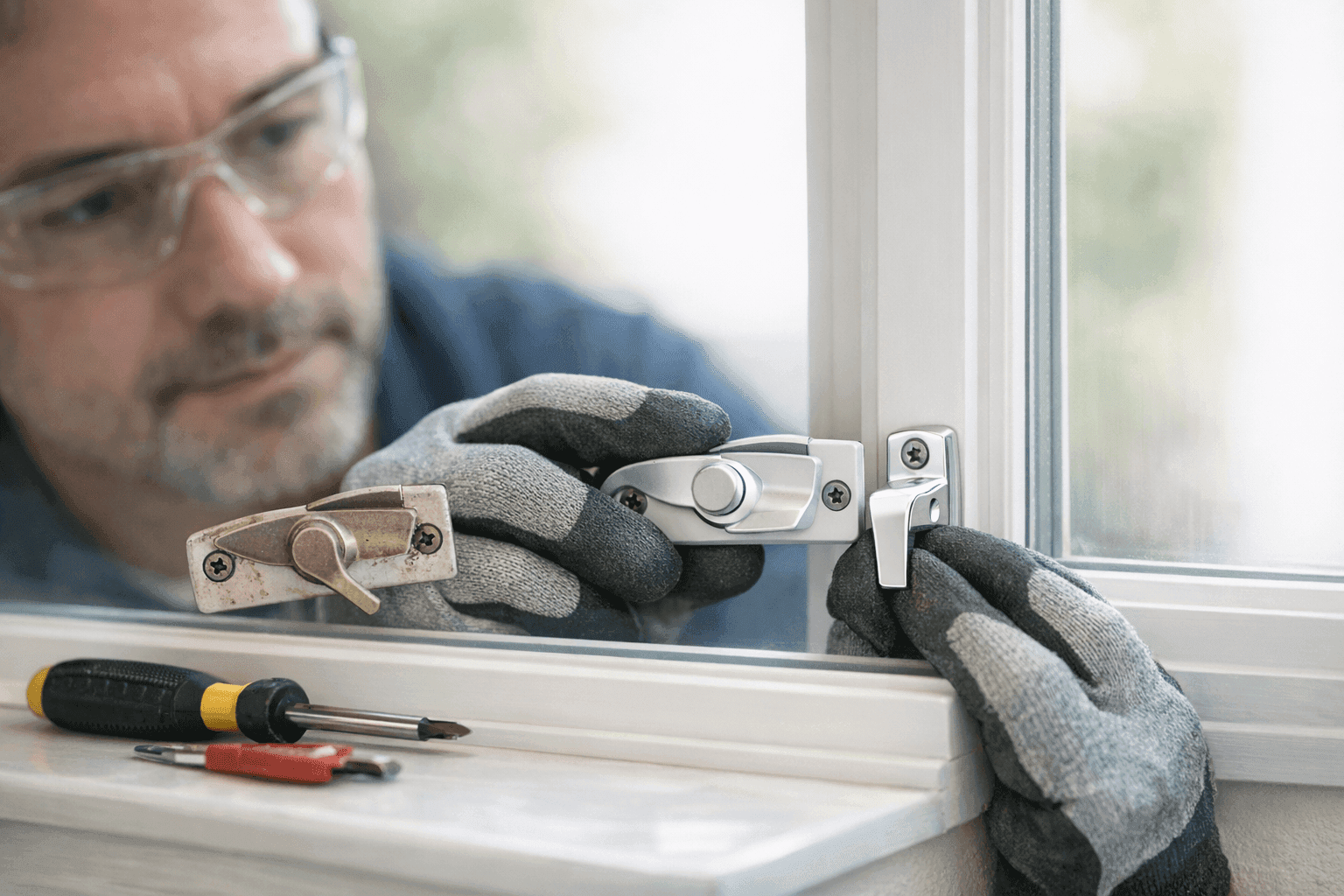
When a window won’t lock, slides open on its own, or shrieks in protest every time you move it, it’s more than an annoyance. It’s a sign your home’s comfort, safety, and energy efficiency could be at risk. At Champion Windows, we know how much peace of mind comes from smooth, secure, and reliable windows.
Think of window hardware like the unsung heroes in your home—quietly working in the background, until one day, they don’t. Let’s walk through the most important parts, what goes wrong, and how a professional windows_contractor can help keep your windows—and your home—working their best.
Common Window Hardware Types 🪟
Most windows have more working parts than you might expect. Here are the essential hardware elements you’ll find in residential windows:
- Locks & Latches: The final word on security. These keep your window shut tight, keeping out intruders and drafts alike.
- Hinges: Responsible for the smooth open and close movement, especially in casement, awning, and hopper windows.
- Cranks & Handles: For windows that swing open, these let you operate them easily—until stripped gears or broken arms stop the show.
- Balances & Springs: Found in double-hung and sliding windows, they counterbalance the sash so it doesn’t slam shut or fall.
- Weatherstripping & Seals: These unsung strips keep out wind, rain, and bugs.
- Rollers & Tracks: Sliding windows rely on these for smooth motion.
- Screens & Hardware: Clips, pins, and tabs that keep screens in place and easy to remove.
Each component has a job to do. When one fails, the whole window can feel “off.”
Signs of Wear: What to Watch For
Spotting hardware problems early can save you hassle and money down the road. Here’s what to look—and listen—for:
- Sticky movement: Windows that jam, stick, or feel loose.
- Handles that spin: Or latches that don’t snap closed.
- Rattling: Even with the window shut, you hear a rattle on a windy day.
- Drafts: Cold air sneaks in, especially around the edges.
- Broken or missing locks: An obvious security risk.
- Visible rust or corrosion: Especially near the coast, metal parts can break down fast.
- Condensation between panes: Sometimes caused by failed locking or sealing hardware.
If you notice any of these, it’s time to act.
The Replacement Process: What to Expect
When you call a windows_contractor for help with window-hardware-replacement, here’s how the process usually unfolds:
- Inspection: The technician checks every moving part, not just the obvious problem area.
- Diagnosis: They identify which components are worn, broken, or unsafe.
- Part Matching: Not all hardware is universal—pros know how to find the right fit for your window’s age, brand, and style.
- Removal: Old or broken hardware is carefully removed to avoid damaging the frame or sash.
- Installation: New, professional-grade parts are installed—often stronger or more secure than the originals.
- Testing: Every window is checked for smoothness, lock strength, and weather resistance.
- Cleanup: No mess left behind.
Quality matters. Cheap hardware might work for a while, but professional-grade parts pay off in longevity, safety, and smooth operation.
Security Upgrades: When Locks and Latches Matter Most 🔒
A window is only as secure as its weakest part. Worn or outdated locks are like leaving your front door open. Here’s where modern hardware makes a huge difference:
- Keyed Locks: Add a layer of protection, especially on ground-floor windows.
- Reinforced Latches: Designed to withstand forced entry attempts.
- Child Safety Locks: Keep little explorers safe.
- Multi-point Locking Systems: Common on casement and sliding windows, they secure the sash at several points for added strength.
Professional Window Lock Installation isn’t just about replacing old parts—it’s about peace of mind.
Quick Safety Checklist Before You DIY
Curious if you can handle a repair yourself? Here’s a fast way to check:
- Are any parts painted shut or corroded?
- Do you have matching hardware on hand?
- Does the window open above ground level (risk of falling)?
- Are you comfortable with basic tools?
If you answer “no” to any, or if security is a concern, it’s wise to call a pro.
When It’s an Emergency
Broken window hardware isn’t always urgent. But sometimes, it’s a race against time—think failed locks during a break-in, or broken balances leaving heavy sashes poised to slam down. In these cases, Champion Windows offers emergency solutions to secure your home fast.
DIY vs. Call a Pro: Weighing the Risks
Replacing a lock or handle might seem simple. But here’s the catch: many modern windows use specialized parts, hidden screws, or require precise adjustment. A misstep can mean more damage, voided warranties, or a window that won’t close at all.
A seasoned windows_contractor brings experience, tools, and peace of mind. They also know relevant safety codes, like those outlined by the International Residential Code (IRC) for egress windows and secure hardware.
What Pros Do On Arrival
Expect more than a quick fix. At Champion Windows, our technicians:
- Check for correct window alignment.
- Inspect seals and weatherstripping.
- Evaluate for code compliance (important for egress and security).
- Offer honest advice on repair vs. replacement.
Prevention & Maintenance: Stretching Hardware Lifespan 🛠️
Like oiling a squeaky bike chain, a little attention goes far. Tips:
- Lubricate moving parts with silicone spray every spring and fall.
- Clean tracks and hinges to prevent dirt buildup.
- Tighten loose screws or handles.
- Replace damaged weatherstripping promptly.
- Schedule annual window inspections as part of a window maintenance plan.
Routine care keeps breakdowns at bay. It also helps you spot small issues before they become big headaches.
Costs & Time Factors
Hardware replacement typically costs less than full window replacement. Factors that affect price:
- Type and brand of window.
- Accessibility (upper floors cost more).
- Hardware style (basic vs. security-grade).
- Quantity—fixing several at once can lower per-unit costs.
Time? Most jobs are done in under an hour per window, but scheduling a full-home inspection can spot hidden “time bombs” before they fail.
Timeline & Disruption: What to Expect
A reputable windows_contractor company works efficiently. Most repairs cause little disruption—no need to move out or cover furniture. For homes with unique or historic windows, some parts may need special ordering. In these cases, clear communication ensures you’re never left guessing.
Seasonal Considerations: When Hardware Fails Most
Cold snaps and summer heat both put stress on window hardware. Metal contracts in winter, making old locks stiff. In summer, humidity can swell wooden frames, jamming hinges and tracks. Spring and fall are ideal for tune-ups—before you’re relying on windows for ventilation or insulation.
Common Mistakes Homeowners Make
- Using household oil instead of silicone (it attracts dust).
- Forcing stuck hardware, breaking it further.
- Ignoring small drafts or rattles.
- Trying to match parts without checking manufacturer specs.
- Skipping professional inspections for years.
Avoiding these saves time, money, and hassle.
FAQ: Your Window Hardware Questions Answered
Q: How often should window hardware be replaced?
A: With regular care, many parts last 10–20 years. But high-use windows or harsh climates can shorten this.
Q: Can I upgrade locks on older windows?
A: Yes—modern hardware often fits older frames, but professional installation ensures best results.
Q: What’s the risk of ignoring a broken lock?
A: Security. Insurance claims may even require proof of functioning locks after a break-in.
Q: Are repairs covered by home insurance?
A: Sometimes, if caused by a covered peril (like storm damage). Routine wear and tear usually isn’t included.
Materials and Equipment: What’s Needed
A professional arrives with:
- Replacement locks, latches, and handles.
- Specialized screwdrivers and drills.
- Lubricants and cleaning supplies.
- Weatherstripping and sealants.
- Safety gear (gloves, goggles).
DIYers often lack the matching parts or tools, which can turn a “simple” job into a weekend project gone wrong.
Why Professional-Grade Hardware Matters
Not all hardware is created equal. Champion Windows installs parts built for years of smooth use, tested to meet or exceed industry standards. This means less risk of break-ins, fewer repairs, and windows that feel brand new—long after the work is done.
Building Trust, One Window at a Time
Homeowners across the region seek reliable windows_contractor services for peace of mind. If you’re looking for Window Hardware Replacement in Leesburg, our local windows_contractor specialists are ready to help—fast, friendly, and always transparent.
Ready for Smoother, Safer Windows?
Don’t wait until a window fails when you need it most. Schedule your window-hardware-replacement today. For related needs, explore our window-repair solutions.
Call Champion Windows now — or reach us anytime at 855-502-8869 .