How to Handle Window Repairs After a Major Storm
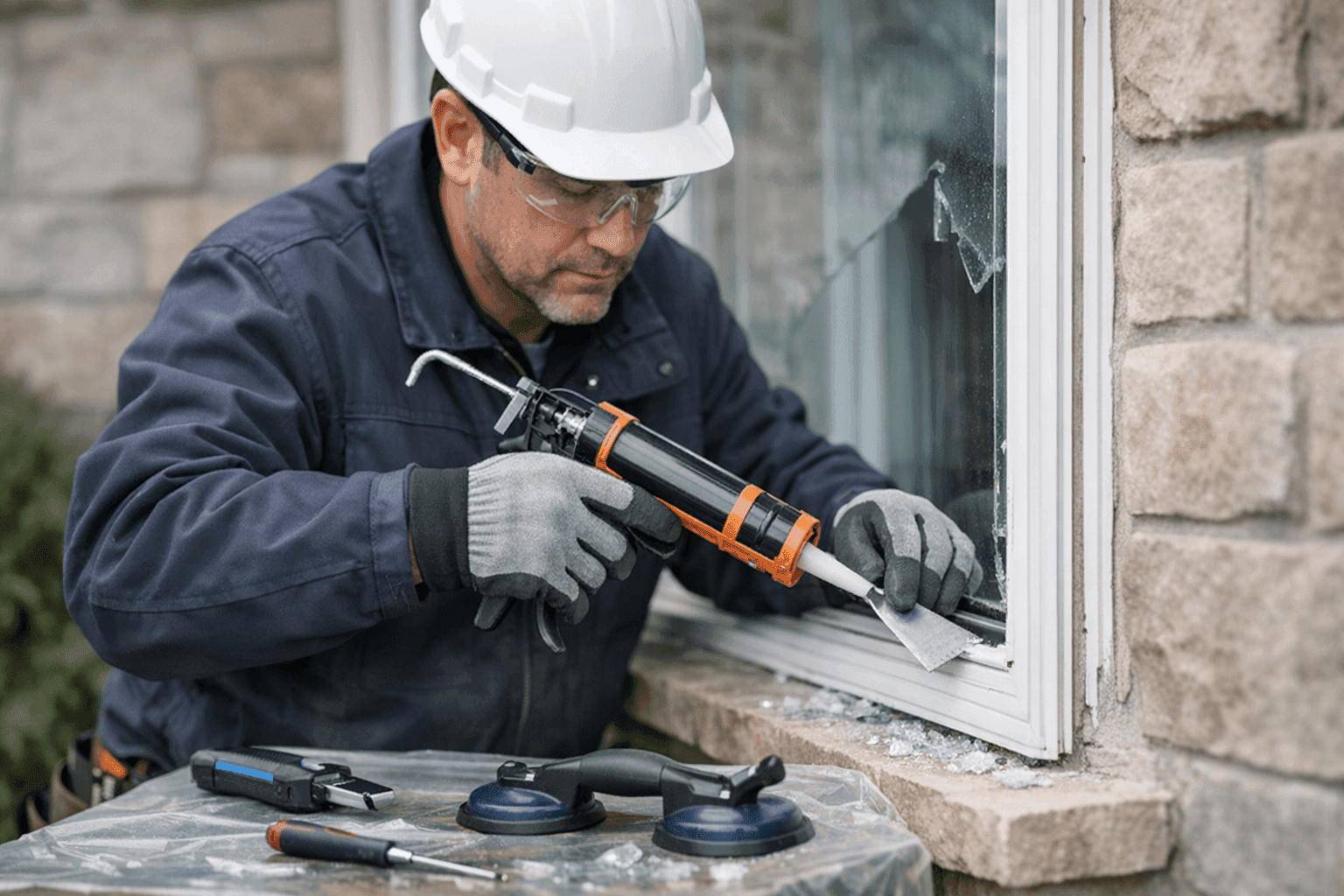
When a major storm barrels through, the aftermath can feel overwhelming. Broken windows, scattered debris, and the uncertain threat of water intrusion can turn your home upside down. We get it—fixing window damage isn’t just about restoring looks. It’s about reclaiming your comfort and safety.
At Champion Windows, our licensed repair team responds quickly, bringing years of hands-on experience and a clear plan to every job. If your home’s windows took a beating, here’s how to move forward—step by step.
Common Types of Storm Damage
Storms can pack a punch. Your windows are often on the front lines, facing wind, rain, hail, and flying debris. Here’s what you might see after the clouds clear:
- Cracked or Shattered Glass: Hailstones, falling branches, or airborne objects can leave nasty cracks or even punch holes through glass panes.
- Damaged Window Frames: Wooden, vinyl, or metal frames may split, warp, or loosen from the force of the storm.
- Water Intrusion: When seals fail or frames break, water sneaks inside. This can cause further trouble—think mold, warped wood, and peeling paint.
- Hardware and Lock Failures: Latches, locks, and hinges might bend or break, affecting window security and operation.
Each type of damage brings its own risks. Even a small crack can spread quickly, especially when exposed to wind or shifting temperatures. And water? It has a way of finding every weak spot.
Immediate Steps to Take
The storm may be over, but the work isn’t done. Act fast but stay safe. 🛑
- Check for Hazards: Broken glass, exposed nails, and sharp edges are real dangers. Wear sturdy shoes and gloves before inspecting.
- Secure the Area: If a window is shattered, keep kids and pets away. Use heavy-duty plastic or plywood to cover large openings. Duct tape can temporarily reinforce cracked glass.
- Document the Damage: Take clear, well-lit photos from different angles. Write down the date and details. This makes insurance claims—and professional repairs—easier.
- Prevent Further Water Damage: If rain is still falling or more is expected, seal gaps with plastic sheeting and painter’s tape. Move valuables and furniture out of harm’s way.
Should You DIY or Call a Pro?
It’s tempting to grab a toolkit and fix things yourself. But storm damage often hides bigger problems—issues that aren’t always obvious at first glance.
DIY is okay when:
- You’re dealing with minor surface cracks.
- Caulking or weatherstripping needs a quick refresh.
Call a windows_contractor when:
- The glass is broken or missing.
- Frames are warped or the window won’t close.
- Water has soaked into the sill or wall.
- You're unsure how deep the damage goes.
A pro brings trained eyes and the right tools. They’ll spot what you might miss.
What Happens When the Pros Arrive
When Champion Windows arrives, here’s how we tackle the job:
1. Detailed Assessment
We start by looking at every window, inside and out. We check glass, frames, sills, and hardware. If there’s hidden water damage or mold, we’ll find it.
2. Repair or Replace?
Not all storm-damaged windows need a full replacement. Sometimes, targeted repairs—like new glass, frame fixes, or fresh seals—are enough. Other times, especially with older or heavily damaged units, replacement is the safer bet.
3. Preventing Future Trouble
We don’t just patch up—our team recommends ways to make your windows stronger. That may include window caulking and sealing, upgraded locks, or storm-resistant glass. These upgrades can mean fewer headaches next time the weather turns wild.
Insurance and Safety Considerations
Dealing with insurance can feel like a maze. Here’s how to keep things smooth:
- Document Everything: Photos, receipts, and written notes are your best friends.
- Contact Your Insurer Early: Many companies require prompt notice after storm events.
- Safety First: Never try to force open or close a damaged window. Wait for a professional assessment, especially if there’s risk of falling glass or structural weakness.
Refer to guidelines from the Federal Emergency Management Agency (FEMA) and your local building codes for safety standards.
Quick Homeowner Safety Checklist
- Avoid touching broken glass with bare hands.
- Shut off electricity if water has entered walls near outlets.
- Keep children and pets out of affected rooms.
- Open windows only if safe to ventilate moisture (never force stuck windows).
Most Common Repair Needs After a Storm
From years in the field, these are the repairs we make most often:
- Window glass replacement for shattered or deeply cracked panes.
- Frame repair and reinforcement, especially on older wood windows.
- Resealing and caulking to stop leaks.
- Hardware replacement—locks, latches, and hinges.
- Emergency board-up to keep your home secure until glass can be installed.
How Long Does Window Repair Take?
Every situation is different, but most storm repairs follow this general timeline:
- Assessment: 1–2 hours for a thorough inspection.
- Temporary Securing: Same day if safety is a concern.
- Repairs: Minor fixes take a few hours. Larger jobs, like full window replacement, may require special orders and a second visit.
Our licensed windows_contractor team communicates clearly about scheduling and what to expect.
Preventing the Next Storm Surprise
The best defense? Preparation.
- Invest in energy-efficient, impact-rated windows designed to meet modern building codes.
- Schedule regular window inspections and maintenance to catch small issues before they become big ones.
- Install storm shutters if you live in a high-risk area.
A little foresight goes a long way.
Frequently Asked Questions
What’s the difference between a repair and a replacement?
Repairs address isolated issues—cracks, hardware, seals. Replacement means installing an entirely new window unit. Severity and age of the window guide the decision.
Is it safe to leave a damaged window covered for a few days?
Temporary coverings like plywood or plastic help, but don’t wait long. Water, pests, and even intruders find weak spots fast. Schedule professional repairs as soon as possible.
Can storm damage affect window energy efficiency?
Absolutely. Even small cracks or gaps let in drafts and moisture, raising energy bills and risking further damage.
Seasonal Considerations: Storms Aren’t Just a Summer Problem
Thunderstorms and hurricanes grab headlines, but winter brings its own window woes. Ice, snow, and freezing temperatures can turn tiny cracks into bigger gaps. Year-round care is key.
Common Mistakes to Avoid
- Ignoring small cracks—they grow quickly.
- Relying on duct tape for more than a few days.
- Skipping a professional inspection after major weather events.
- Forgetting to check window locks and hardware for hidden damage.
Timeline & Disruption: What to Expect
We know you want life back to normal—fast. Most repairs cause minimal disruption. Our team works efficiently, respects your home, and keeps the work area tidy. For large or specialty windows, we’ll keep you updated every step of the way.
Materials and Equipment Pros Use
We bring more than a roll of tape and a hammer. Our crew uses:
- Impact-resistant safety glass.
- High-grade sealants and caulking.
- Professional-grade tools for frame and sash repairs.
- Weatherproofing materials for long-term protection.
Why Choose Champion Windows?
Storm damage is stressful. You deserve peace of mind. Our licensed, rapid-response team delivers practical solutions, not just quick fixes. Whether you need window lock installation, emergency repairs, or a full window replacement, we’re the windows_contractor specialists ready to help you recover—fast.
Looking for trusted windows_contractor services in your region? We’re here for you—see what sets us apart in Manhattan.
Call Champion Windows now — or reach us anytime at 855-502-8869 .