Window Screen Repair and Replacement: A Homeowner’s Guide
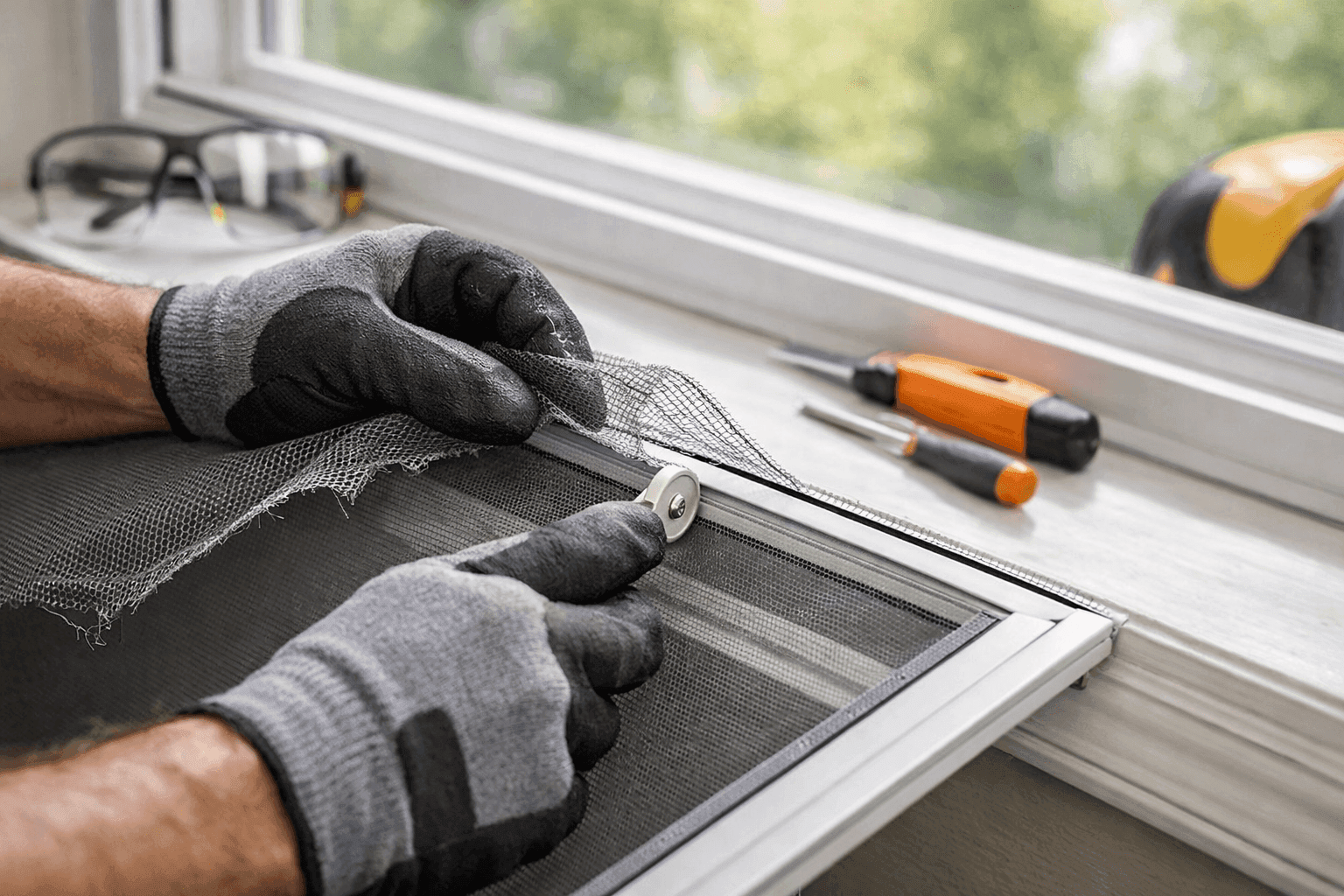
A torn window screen is a lot like a leaky umbrella—suddenly, the comfort and safety you expect from your home are gone. Bugs make themselves at home. Breezes slip in where they shouldn't. And your energy bills? They may just creep up, too.
At Champion Windows, we get it. Screens are easy to overlook until something goes wrong. Whether it’s a ripped mesh, a bent frame, or a rusty latch, keeping your screens in top shape matters for your comfort, health, and peace of mind.
Signs Your Screen Needs Repair 🪟
Not sure if your window screens are ready for some attention? Here’s what to look for:
- Visible Tears or Holes: Even a small rip can invite insects and pollen.
- Warped or Bent Frames: Frames that don’t sit flush let in drafts and critters.
- Loose Fittings: If your screen jiggles or rattles, it’s not sealing properly.
- Discoloration or Rust: Screens that look faded or rusty may be weakening.
- Difficulty Opening or Closing: Screens should slide or swing smoothly.
A good rule: Inspect your screens at least once per season. If you spot any of these signs, it may be time for a fix.
Common Window Screen Materials
Not all screens are created equal. The mesh and frame you choose can impact airflow, durability, and even curb appeal.
- Fiberglass Mesh: The most common choice for homes; flexible, budget-friendly, and resistant to rust.
- Aluminum Mesh: Tougher than fiberglass, with a metallic shine. More resistant to wear but can dent or crease if mishandled.
- Pet-Resistant Screens: Made from thicker vinyl-coated polyester to withstand claws and paws.
- Solar Screens: Specially woven to block sunlight and reduce heat, ideal for sun-facing windows.
- Stainless Steel Screens: High-durability option for those who want extra security and longevity.
When considering a replacement, think about your home’s unique needs—pets, sun exposure, and neighborhood climate all play a role.
Quick Safety Checklist
Before you begin any repair or replacement, safety first:
- Wear gloves to avoid cuts from sharp mesh or frames.
- Use a sturdy stool or ladder on even flooring.
- Keep tools organized and out of children’s reach.
- Check for utility lines if working near exterior windows.
If the window is on a higher floor, consider calling a windows_contractor for safety.
DIY Repair Steps for Minor Damage
Small tears don’t always mean a full replacement. Here’s how to patch up:
- Clean the area—Use mild soap and water, let dry.
- Trim loose mesh—Use scissors to remove frays.
- Apply a patch kit—Available at hardware stores. Cut the patch slightly larger than the hole.
- Secure the patch—Use adhesive or sew with nylon thread for extra strength.
- Check the fit—Ensure the patch doesn’t interfere with window movement.
Remember: If the damage is on a frame or covers a large area, it’s time to consider full replacement.
When to Replace Instead of Repair
Sometimes, patching just won’t cut it. Consider full replacement if:
- The tear or hole is larger than a quarter.
- The frame is bent, broken, or corroded.
- The mesh is sagging or pulling away from the frame.
- Patching has been tried multiple times with no success.
A new screen not only restores function but can upgrade energy efficiency and aesthetics.
Replacement Options for Homeowners
If you’ve decided on a new screen, you have choices:
Pre-Made Screens
Most hardware stores carry standard sizes. Measure your window twice—width and height—to be sure.
Custom Screens
For specialty shapes or oversized windows, custom is best. This is especially true for bow, bay, and casement windows.
Professional Installation
A windows_contractor can ensure a snug fit and proper material selection. If you’re interested in Window Repair or a complete Window Installation, professionals handle delicate frames and specialty windows with care.
How the Pros Handle Window Screen Repair
When you call in a windows_contractor company, here’s what to expect:
- Assessment: We inspect every frame and mesh for hidden problems.
- Material Match: We select a mesh and frame to meet your needs—durability, security, energy savings.
- Precision Fit: Screens are measured and installed to prevent gaps.
- Function Test: We ensure windows open, close, and lock correctly after repair.
We also follow local building codes and safety guidelines—like those from the International Residential Code (IRC)—for your security.
Preventing Screen Damage
An ounce of prevention beats a pound of repair. Here’s how to extend the life of your window screens:
- Clean screens gently each season with a soft brush or vacuum.
- Keep pets’ claws trimmed, or install pet-resistant mesh in high-traffic areas.
- Avoid slamming windows—gentle operation keeps frames aligned.
- Store screens in winter if you live in a cold, snowy climate.
- Inspect after storms for loose or damaged areas.
A little attention now saves big headaches later.
Seasonal Considerations
Screens face different challenges throughout the year:
- Spring: Check for tears after winter winds and ice.
- Summer: Monitor for sun-fade and insect buildup.
- Fall: Clear leaves and debris before storing or winterizing.
- Winter: Remove and store screens if freezing temps are common.
Plan regular maintenance to catch issues before they grow.
Emergency Screen Services
Broken screens can be a real emergency—especially if you’re dealing with pests, storms, or security concerns. If you need urgent help, Champion Windows offers emergency service to secure your home quickly and restore comfort.
FAQ: Window Screen Repair and Replacement
How often should I replace my window screens?
With proper care, most screens last 8-10 years. High-use areas may need more frequent attention.
Can I replace screens myself?
Yes, if you’re comfortable with measurements and basic tools. For complex frames or upper levels, a windows_contractor is safer.
What if my window screens are custom shapes?
We handle custom window solutions, including odd shapes and sizes.
Are there screens that block more sunlight?
Yes—solar screens can reduce glare and heat while still letting in light.
Mistakes to Avoid
- Skipping measurements: Even a small error can mean a poor fit.
- Using the wrong mesh: Match strength and weave to your needs.
- Neglecting frame repair: A new screen in a bad frame won’t last.
- Over-tightening: This can warp the frame and cause gaps.
Costs and Time Factors
DIY repairs can be affordable, but factor in time, tools, and the chance of a do-over. Professional installation may cost more up front but saves hassle and ensures a lasting result.
When It’s Time to Call a Pro
Still unsure? If you’re dealing with multiple damaged screens, upper-floor windows, or specialty glass, it’s smart to call a windows_contractor. We’re happy to help—especially if you’re in need of windows_contractor services in your area.
For those in Queen Creek, you can always count on our windows_contractor company for reliable help.
Final Tips for Window Screen Longevity
- Schedule annual inspections.
- Use gentle cleaners and soft tools.
- Address damage quickly to prevent bigger problems.
- Upgrade to pet- or solar-resistant screens if your lifestyle calls for it.
Windows are more than glass—they’re your view, your shield, and your home’s first impression.
Call Champion Windows now — or reach us anytime at 855-502-8869 .