Window Screen Repair vs. Replacement: What’s Best?
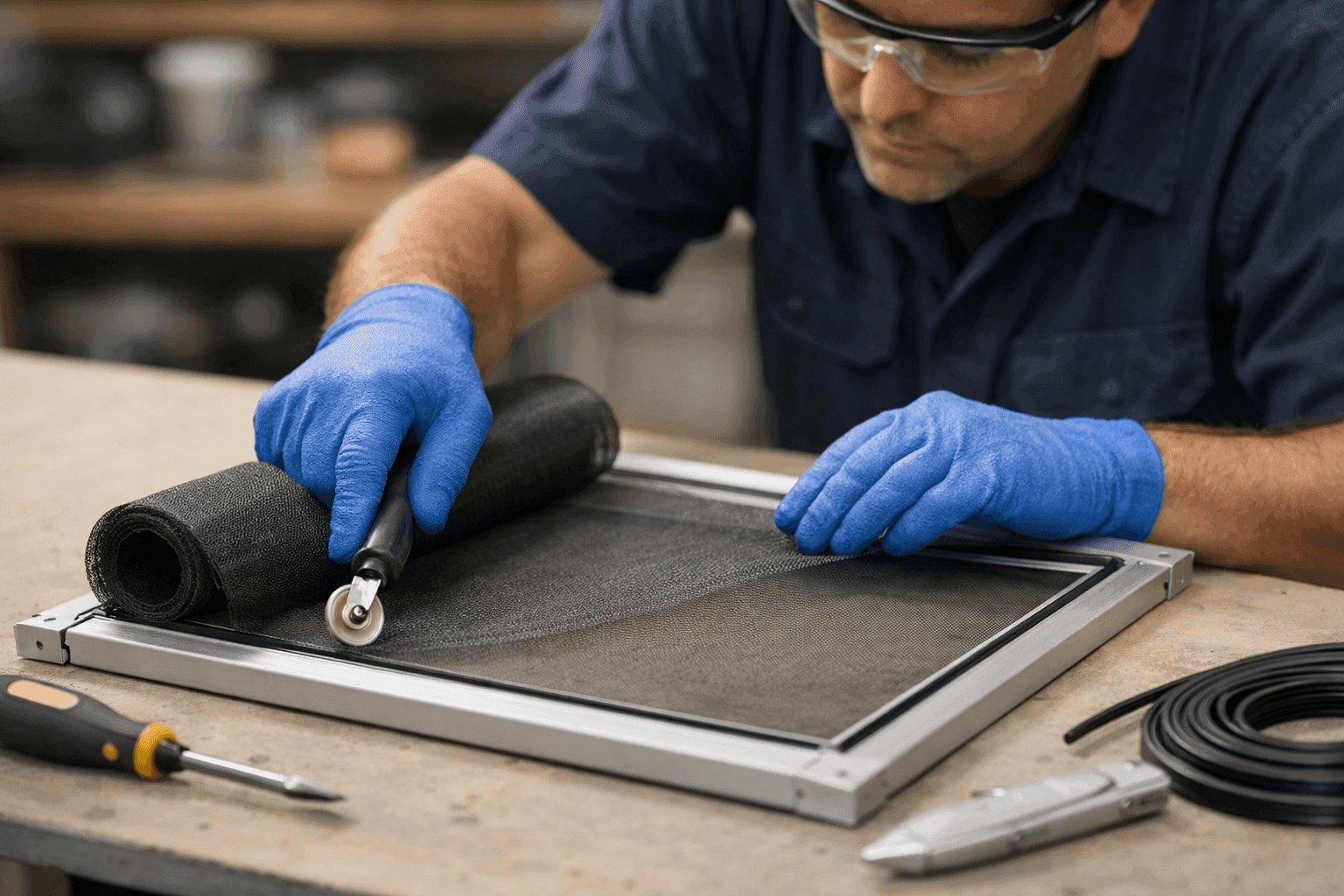
Do you hear that faint buzz? That’s a mosquito finding its way inside through a torn window screen. Or maybe it’s the wind rattling a bent frame, letting dust and pollen slip right past your defenses. You’re not alone—window screen damage happens in every home.
At Champion Windows, we know that small tears and warped frames can create big headaches. But is it smarter to repair your screens, or is it time for a full replacement? Read on for a clear, honest look at your options, and the peace of mind that comes from working with a skilled windows_contractor.
Types of Window Screen Damage 🕸️
Window screens take more abuse than most people realize. Here’s what we see most often:
- Small tears or holes: Pets, weather, or an accidental poke with a broom handle.
- Bent or dented frames: Storms, moving furniture, or years of opening and closing.
- Worn mesh: Sun exposure can make screens brittle and discolored.
- Loose or sagging mesh: Age, improper installation, or heavy winds.
- Missing spline: That thin rubber strip keeping mesh snug can slip out or degrade.
Even a tiny flaw can invite pests and pollen inside, or make your window look tired and neglected.
Quick Safety Checklist
Before you reach for a ladder or tools, stop and check:
- Are you dealing with windows higher than the first floor?
- Is the screen near electrical wires or tangled in landscaping?
- Is the window itself cracked, loose, or hard to open?
If you’re unsure, call a professional windows_contractor for safe, code-compliant service—especially with upper-story or hard-to-reach screens. The International Residential Code (IRC) and Occupational Safety and Health Administration (OSHA) both stress the importance of safe, stable access for window work.
Repair Options: When a Fix Makes Sense
Small problems don’t always need big solutions. Here’s where repairs shine:
Tears under 3 inches
Tiny holes? You can patch them with a repair kit or a dab of clear epoxy. These quick fixes keep out bugs and buy time before a bigger repair.
Loose mesh or spline
If the frame is solid, a pro can re-stretch the mesh and replace the spline. It’ll look and function like new.
Minor frame bends
Slightly bent aluminum frames can often be gently reshaped. Wood frames might need a bit of sanding and sealing.
Why call Champion Windows?
Our technicians use precise tools and materials that match your screen’s color and texture. That means your repair blends in—no awkward patches or mismatched mesh.
Replacement Process: When a New Screen Wins
Sometimes, it’s time for a fresh start. Replacement is best when:
- The mesh is brittle, faded, or torn in several places.
- The frame is cracked, warped, or corroded.
- You want to upgrade—for example, to pet-resistant mesh, solar screens, or custom sizes.
Here’s what happens with a professional replacement:
- Assessment: We measure every window, noting frame material and color.
- Removal: Old screens come out cleanly, protecting your trim and glass.
- Custom build: New frames and mesh are crafted to your exact specs.
- Installation: Everything is squared, secure, and checked for smooth operation.
- Cleanup: We leave your space tidy, with nothing but crisp, clean screens.
A new screen boosts curb appeal, restores airflow, and keeps your home’s first line of defense strong.
Costs, Durability, and Appearance: The Real Trade-Offs
Repair:
- Lower immediate cost—especially for small jobs.
- Faster turnaround—often same day.
- May show patch marks or color differences, especially on older screens.
Replacement:
- Higher up-front cost, but screens last longer.
- Guarantees a uniform, fresh look.
- Lets you choose upgraded materials for better energy efficiency or pet resistance.
Repairs work well for isolated problems. But if several screens are aging, replacement can save you hassle and money long-term. Think of it like patching jeans versus buying a new pair—eventually, fresh fabric wins out.
The Professional Touch: What Pros Do On Arrival
When you invite a Champion Windows technician into your home, here’s what you can expect:
- Thorough inspection: We check every screen, frame, and window for hidden damage.
- Honest advice: We’ll tell you if a repair is safe and effective—or if replacement is smarter.
- Quality materials: We use screen mesh graded for durability, visibility, and airflow. No shortcuts.
- Clean, efficient work: Protective drop cloths, careful tool use, and a tidy finish.
You get more than a fix—you get restored comfort and confidence.
Real-Life Case Studies: Before and After
Case Study 1: The Single-Tear Save
One Gulfport homeowner called about a two-inch tear in her living room screen. We matched the mesh, fitted a clean patch, and secured the edges. The repair was nearly invisible, and she enjoyed a bug-free summer.
Case Study 2: The Storm Aftermath
After a rough storm, another family found several screens bent and mesh shredded. We recommended full replacement. They chose pet-resistant mesh for added peace of mind. The result? Stronger screens, better airflow, and a renewed look for their home.
If you’re curious about service availability in your area, see our Window Screen Repair/Replacement page for more details.
DIY vs. Call a Pro: Pros and Cons
DIY Repair:
- Pros: Lower cost, quick fixes for small tears.
- Cons: Hard to match mesh color/texture, risk of damaging frame, time investment, possible safety issues for upper-story windows.
Professional Service:
- Pros: Seamless repairs, code-compliant work, safety for all levels, access to upgraded materials and custom fits.
- Cons: Higher up-front cost than a DIY kit.
For complicated damage, window screens built into specialty frames, or hard-to-reach spots, calling a professional windows_contractor company is the safer bet.
Emergency Situations: When to Act Fast 🚨
- Screens knocked out by storms or break-ins
- Torn mesh leaving your home vulnerable to pests
- Frames blocking emergency egress windows (safety risk per IRC egress codes)
Don’t wait—quick action helps protect your family and keeps your home secure.
Window Screen Maintenance Tips
Take a few simple steps each season to keep your screens in top shape:
- Clean gently with soapy water and a soft brush—no high-pressure hoses.
- Inspect for tears and loose mesh after heavy storms or every spring/fall.
- Lubricate window tracks so screens slide smoothly.
- Store removable screens indoors during harsh winters.
- Trim trees and shrubs near windows to reduce wear from branches.
A little attention now saves time and money later.
Seasonal Considerations for Window Screens
Spring and fall are prime times for inspection and maintenance. Pollen and debris can clog mesh, while winter ice can stress frames. In coastal or humid areas, regular checks prevent mold and salt buildup.
Signs Your Screens Need Help
Watch for:
- Flapping or rattling in the wind
- Visible holes or frayed edges
- Insect activity near closed windows
- Discoloration or sun-faded patches
- Screens that “pop out” easily or sag
Spot these early, and you’ll avoid bigger repairs down the line.
Common Mistakes to Avoid
- Using duct tape or glue for long-term fixes (they won’t last)
- Forcing screens into warped frames (can make damage worse)
- Ignoring small tears until they become big ones
- Skipping regular cleaning—dirt weakens mesh over time
A little prevention goes a long way.
Materials and Equipment: What Makes a Difference
Not all screens are created equal. Here’s what matters:
- Mesh type: Fiberglass (flexible, affordable), aluminum (stronger, rust-resistant), or specialty (pet, solar, fine-mesh for pollen).
- Frame material: Aluminum (light, rustproof), wood (classic look, needs sealing), vinyl (durable, low-maintenance).
- Spline: The right size and material keeps mesh taut for years.
A professional windows_contractor company uses quality parts to match your home’s needs.
Timeline and Disruption: What to Expect
Most repairs take less than an hour per screen. Full replacements may take a bit longer, depending on custom sizing or specialty materials. Our team works efficiently, so your daily routine stays on track.
FAQ: Your Window Screen Questions Answered
Q: Can you repair a metal screen, or just fiberglass?
A: Both! Repair methods vary, but a pro can handle either material.
Q: How long does a new screen last?
A: With good materials and care, expect 10–15 years—even longer with regular maintenance.
Q: Will new screens fit my older windows?
A: Yes, custom fabrication ensures a snug, secure fit for any window type.
Ready for Comfort and Protection?
A well-maintained window screen is your home’s silent guardian—letting in the breeze, keeping out the bugs, and looking sharp year after year. Whether you need a quick fix or a total refresh, Champion Windows is here with reliable, professional service—right when you need it most.
Call Champion Windows now — or reach us anytime at 855-502-8869 .